Hallway Design Ideas That Transform Your Space Into a Stylish and Functional Statement
Hallways are often overlooked, yet they play a critical role in home hallway design—connecting spaces while quietly shaping the overall flow and feel of your interiors. Far from being just transitional zones, thoughtfully designed hallways can elevate your home’s aesthetic, improve functionality, and create a strong first impression for anyone who walks through. In fact, design experts emphasize that hallways are ideal spaces to showcase personality through art, lighting, and curated decor while also incorporating smart storage solutions that support everyday living.
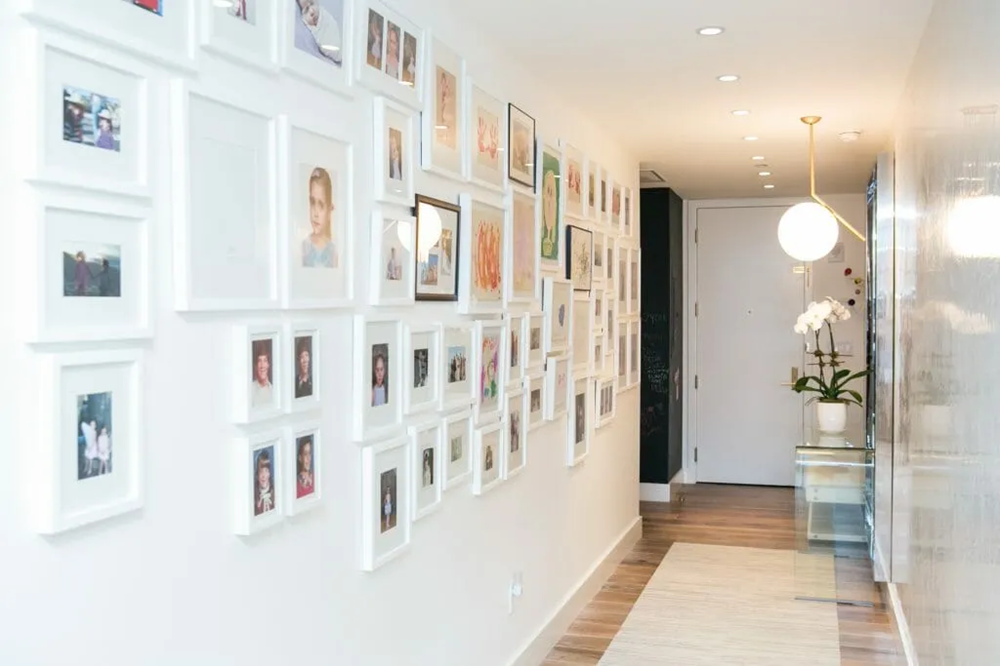
This guide brings together the most effective hallway design ideas and hallway design inspiration to help you rethink this often underutilized space using a structured, MECE approach. Whether you’re working with narrow hallway designs, refreshing a small hallway design, or exploring full-scale hallway renovation ideas, the goal is to balance style with practicality. From bright hallway ideas that open up tight spaces to cozy hallway designs that add warmth and character, you’ll discover adaptable strategies to transform your hallway into a cohesive and impactful part of your home.
Functional Hallway Design
A successful hallway starts with function before aesthetics. Prioritizing functional hallway design ensures that your space is not only visually appealing but also practical for everyday use. Hallways often serve as high-traffic areas, so thoughtful planning around storage, movement, and usability is essential. By focusing on layout efficiency and smart solutions, you can transform even the most overlooked corridor into a purposeful and organized part of your home. The goal is to reduce clutter, improve accessibility, and create a seamless flow between rooms—laying a strong foundation before layering in decorative elements.
Storage & Organization Solutions
One of the most important aspects of functional hallway ideas is incorporating effective storage. Built-in shelves, wall-mounted hooks, and baskets provide convenient places to store everyday essentials like shoes, bags, and outerwear without overcrowding the space. A mudroom-style setup is especially useful for entry hallways, allowing you to create a designated drop zone for frequently used items. This approach not only improves organization but also keeps your home looking clean and streamlined. Vertical storage solutions are particularly valuable in tighter spaces, helping maximize storage without sacrificing floor space.
Seating & Practical Additions
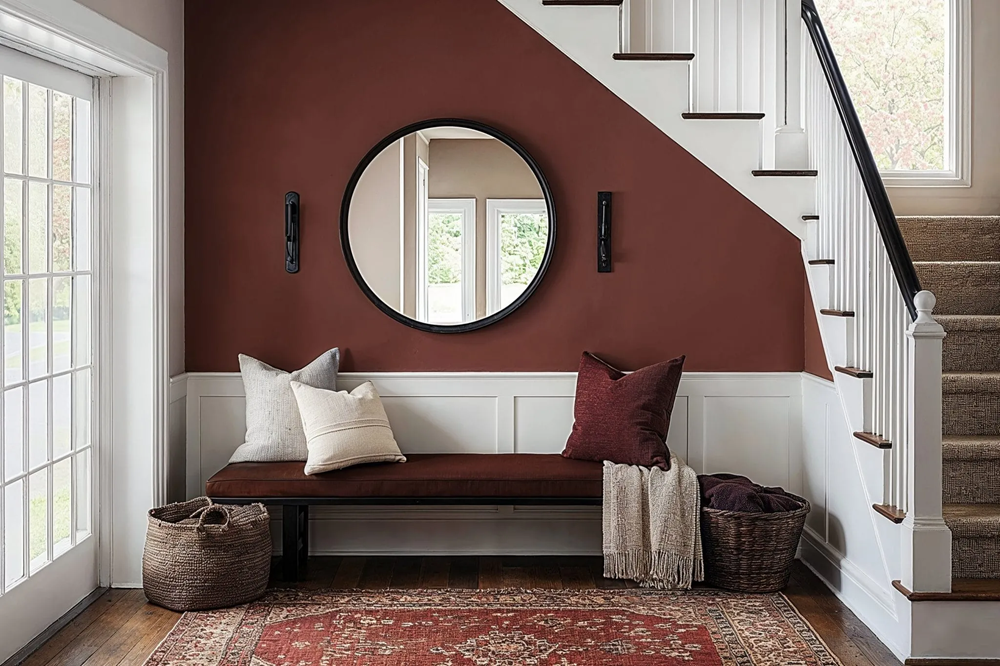
Adding seating is a simple way to enhance both comfort and functionality. Benches, ottomans, and slim console tables can provide a place to sit, set down items, or display decor. Multi-purpose furniture is especially effective in hallway design, offering hidden storage while maintaining a clean look. Even a small bench at the end of a hallway can make the space feel more intentional and user-friendly. These additions help transform hallways from pass-through areas into practical extensions of your living space.
Layout Optimization for Different Sizes
Effective layout planning is key when designing hallways of any size. For small hallway design ideas, focus on minimizing bulk and maximizing vertical space to maintain openness. Slim furniture and wall-mounted elements help preserve walking space while still adding function. In contrast, large hallway design ideas allow for more flexibility, including seating areas, storage zones, and decorative features. The key is to maintain balance—ensuring the hallway feels neither overcrowded nor empty—while supporting smooth movement throughout the home.
Visual & Aesthetic Hallway Design Concepts
Once functionality is established, the next step in designing a hallway is defining its visual identity. This is where your hallway transitions from a practical passage into a cohesive part of your home’s overall design story. The right aesthetic approach helps unify surrounding spaces while adding personality and depth. Whether you lean toward sleek minimalism or timeless elegance, your hallway should reflect your broader interior design ideas while still standing out as a thoughtfully curated space. By choosing a clear design direction, you can ensure that every element—from finishes to decor—works together harmoniously.
Modern & Contemporary Hallway Design
Modern hallway design ideas and contemporary hallway design ideas focus on simplicity, clean lines, and intentional minimalism. These styles prioritize uncluttered spaces, neutral color palettes, and subtle contrasts that create a refined, polished look. In contemporary hallway design, materials like glass, metal, and smooth wood finishes are often used to enhance a sleek aesthetic. Lighting also plays a major role, with statement fixtures or recessed lighting adding sophistication without overwhelming the space. This approach is especially effective for smaller or narrow hallways, as the minimal design helps create a sense of openness and flow while maintaining a stylish and current feel.
Classic & Traditional Hallway Design
For a timeless and refined look, classic hallway design ideas and traditional hallway design ideas emphasize symmetry, structure, and enduring materials. Neutral tones such as beige, cream, and soft gray provide a sophisticated backdrop, while architectural details like molding, paneling, and wainscoting add depth and character. Traditional hallways often incorporate elements such as console tables, framed artwork, and decorative mirrors to create balance and visual interest. This style works particularly well in homes with established architectural features, offering a cohesive and elegant aesthetic that remains relevant over time.
Chic & Elegant Hallway Concepts
If you’re aiming for a more elevated look, elegant hallway design and chic hallway concepts focus on refined details and curated styling. Statement lighting fixtures, such as chandeliers or sculptural pendants, instantly draw attention and add a sense of luxury. Carefully selected decor—like art pieces, mirrors, and decorative accents—creates a polished and intentional appearance. Incorporating layered textures, metallic finishes, or high-quality materials can further enhance the space, transforming your hallway into a visually striking and sophisticated design feature.
Color, Pattern & Texture Strategies (Design Impact)
Color, pattern, and texture shape how a hallway looks and feels. The right combination can make a space feel brighter, larger, or more inviting. Whether you choose bold tones or soft neutrals, these elements define the mood and add depth to your hallway interior design. Thoughtful use of materials also helps create contrast, making even simple spaces feel intentional and well-designed.
Bright & Colorful Hallway Design Ideas
Bright hallway ideas use bold paint, wallpaper, and color blocking to create energy and personality. Hallways are ideal for experimenting with color since they are transitional spaces and don’t overwhelm daily living areas. Vibrant tones, graphic wallpaper, or two-tone walls can instantly transform a plain corridor into a focal point. Color blocking can also define sections within longer hallways, adding structure without construction. These colorful hallway design ideas work especially well when paired with simple decor, allowing the color to stand out without clutter.
Minimalist & Neutral Hallway Styles
Minimalist hallway design ideas focus on soft tones, clean lines, and open space. Neutral colors like white, beige, and light gray create a calm and airy feel, making hallways appear larger and brighter. A simple hallway design reduces visual clutter while maintaining a polished look. Subtle textures—like wood, linen, or matte finishes—add depth without overpowering the space. This approach works best in smaller hallways where simplicity enhances flow and light.
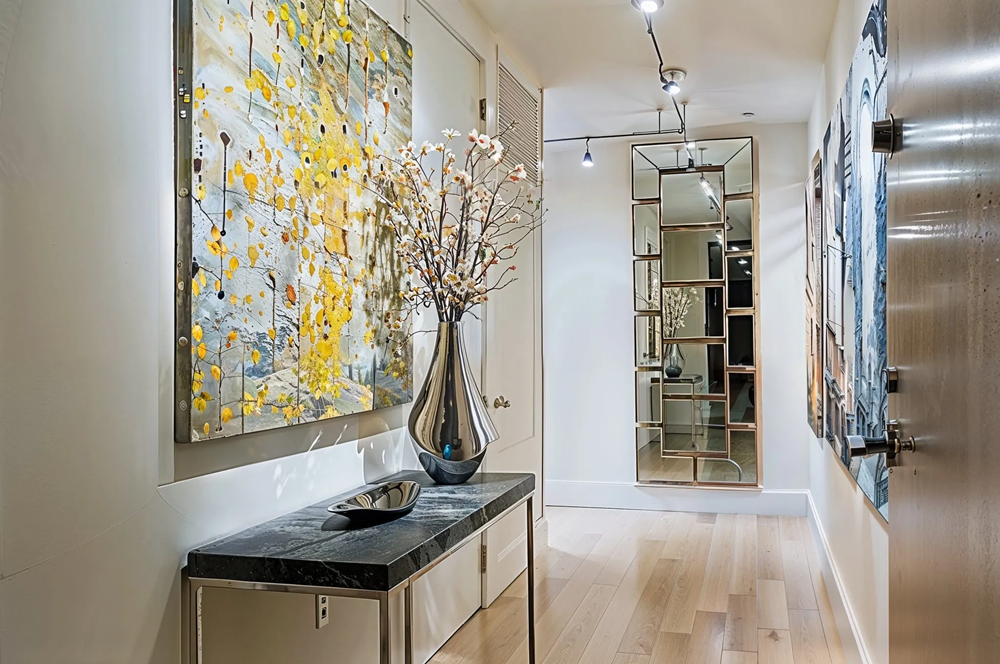
Pattern Mixing & Texture Layering
Patterns and textures add dimension to hallway design. Rugs, stripes, and layered materials create movement and visual interest. In narrow hallway designs, a patterned runner can guide the eye and make the space feel longer. Mixing textures—such as wood, metal, and textiles—prevents the hallway from feeling flat. Keep balance in mind by combining bold patterns with simpler elements to maintain a cohesive look.
Decorative Styling & Personalization
Once function and layout are set, decorative styling brings personality into your hallway. This layer transforms a simple passage into a meaningful space that reflects your lifestyle, taste, and story. Strong hallway decorating tips focus on balance—adding visual interest without creating clutter. By combining art, natural elements, and curated decor, you can create a hallway that feels intentional and connected to the rest of your home. The goal is to make the space feel lived-in, welcoming, and visually engaging.
Gallery Walls & Art Displays
Gallery walls are one of the most effective ways to personalize a hallway. Mixing frame styles, sizes, and artwork creates a dynamic and layered look. You can combine personal photos, prints, and meaningful pieces to tell a story along the wall. Instead of a rigid grid, vary placement to keep the design relaxed and natural. This approach works especially well in long hallways, where art can guide movement and add visual rhythm. A well-curated gallery wall turns an empty corridor into a focal point while maintaining a cohesive design.
Plants & Natural Elements
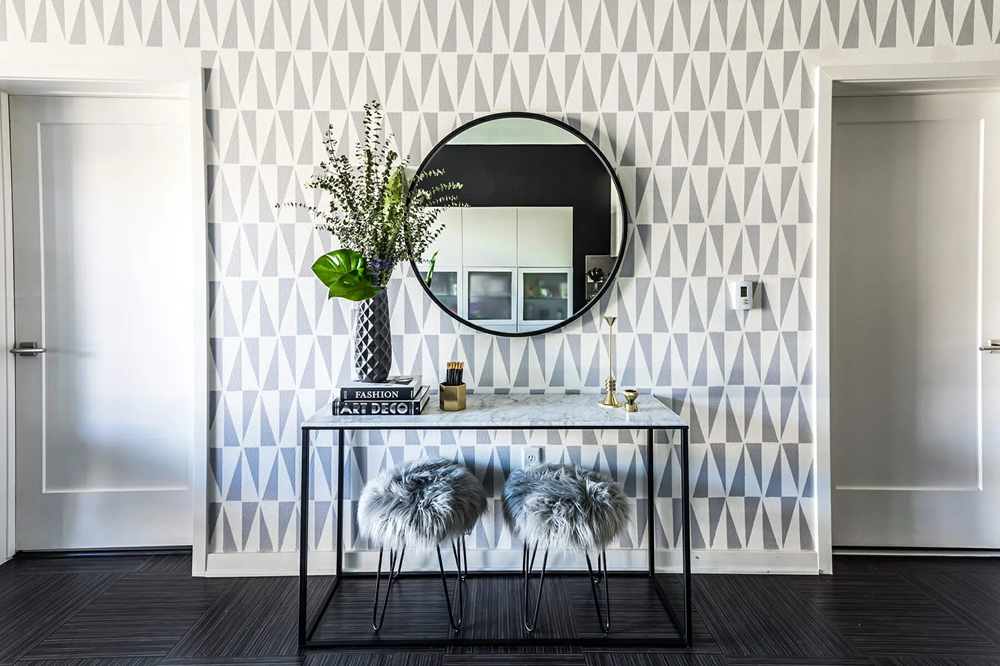
Adding greenery brings warmth and life into your hallway. Low-maintenance plants like snake plants, pothos, or succulents are ideal for areas with limited light. Natural elements such as wood accents, woven baskets, or stone decor can enhance cozy hallway ideas and rustic hallway ideas. Even a small plant on a console or shelf can soften the space and create a more inviting atmosphere. Keep arrangements simple to avoid overcrowding.
Seasonal & Rotational Decor
Refreshing your hallway decor throughout the year keeps the space feeling current. Small updates—such as switching artwork, textiles, or decorative accents—can reflect seasonal changes without a full redesign. This approach allows flexibility while maintaining a consistent base design, making your hallway feel updated and intentional year-round.
Creative & Unique Hallway Design Ideas
Creative design turns a hallway into a focal point. These creative hallway design ideas focus on adding character without sacrificing function. The goal is to introduce elements that feel intentional and visually striking while still fitting the overall home design. Small upgrades—like built-ins, bold finishes, or standout decor—can create a strong impression without a full renovation. These stylish hallway ideas help elevate the space from simple to memorable.
Built-in Nooks & Shelving Displays
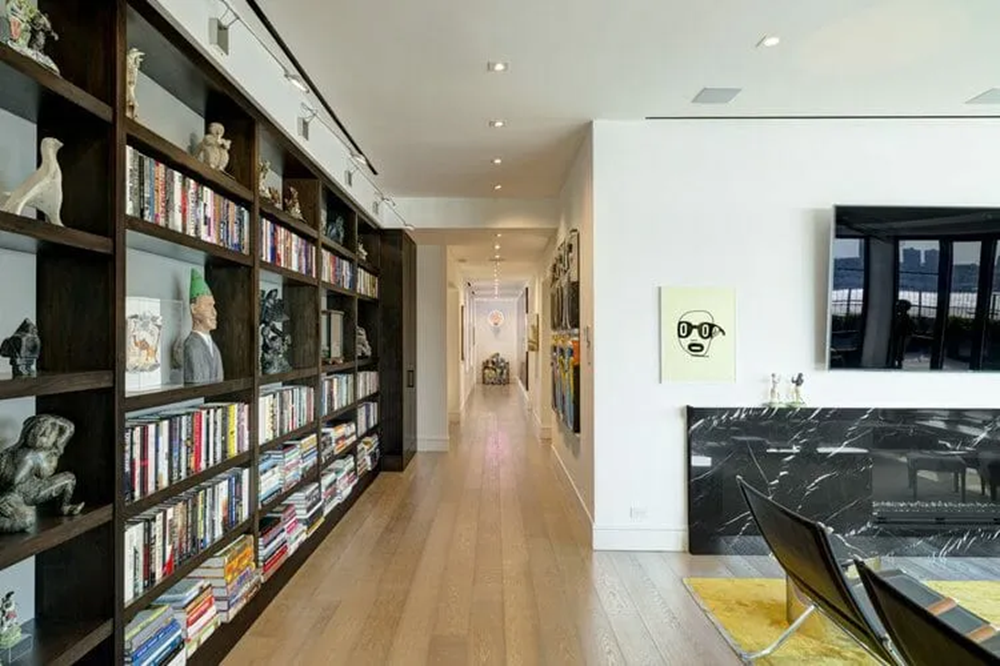
Built-in nooks and shelves create structure and purpose. Alcoves can be styled with books, art, or decorative objects to form a curated display. Adding subtle lighting, such as LED strips or accent lights, highlights these features and adds depth. This approach works well in both modern and traditional homes, turning unused wall space into a design feature. Keep arrangements balanced to avoid clutter while maintaining visual interest.
Statement Rugs & Runners
Rugs and runners add movement and define the hallway path. In long or narrow spaces, a runner guides the eye and creates flow. Bold patterns or colors can act as a focal point, while neutral tones offer a softer look. This simple addition enhances both comfort and style without taking up space.
Bold Design Choices
Bold finishes create impact. Wallpaper, color drenching, or graphic prints can transform a plain hallway into a standout space. These elements work best when paired with minimal decor to maintain balance. Strong design choices add personality while keeping the overall look cohesive.
Designing Hallways for Different Sizes
Hallway design should adapt to the size and layout of the space. A one-size approach does not work. Tailoring your design ensures both function and visual balance, whether you are working with compact layouts or larger open corridors.
Small & Narrow Hallway Designs
Narrow hallway designs require efficient use of space. Light colors help reflect light and make the area feel more open. Mirrors expand the visual width and improve brightness. Slim furniture, wall-mounted storage, and minimal decor keep the pathway clear. These small hallway design ideas focus on simplicity and function, ensuring the space feels clean rather than cramped.
Large & Spacious Hallway Ideas
Larger hallways offer more flexibility. You can introduce zones, such as seating areas or display sections, to break up the space. Statement lighting, artwork, and furniture help fill the area without making it feel empty. These spacious hallway design ideas allow for layering elements while maintaining balance. The key is to create structure so the hallway feels designed, not unfinished.
Conclusion: How to Design a Hallway That Feels Stylish, Functional, and Cohesive
Designing a hallway doesn’t require a full renovation—it requires clarity, balance, and intentional choices. By combining functional hallway design, a defined visual style, and personalized decor, even the simplest hallway can become a cohesive part of your home. Focus on how the space is used daily, then layer in elements that enhance both form and function.
From modern hallway design ideas to cozy hallway designs, the key is balancing practicality with personality. Lighting, color, and layout should work together to improve flow while reflecting your overall aesthetic. Treat your hallway as an extension of your interior hallway design, not an afterthought.
With the right approach, your hallway becomes more than a passage—it becomes a curated space that connects rooms, enhances your home’s design, and leaves a lasting impression.
Frequently Asked Questions About Hallway Design Ideas
What are the best hallway decorating tips for small spaces?
Focus on simplicity and efficiency. Use mirrors to reflect light and create depth, and choose light-colored walls to make the space feel larger. Slim furniture and wall-mounted storage help keep pathways clear. Avoid overcrowding with decor—prioritize a few intentional pieces that add style without reducing functionality.
How do I make my hallway look brighter?
Use a combination of layered lighting and reflective surfaces. Install ceiling lights along with wall sconces to eliminate dark areas. Add mirrors to bounce light throughout the space. Light paint colors and glossy finishes can also enhance brightness, helping the hallway feel more open and inviting.
What is the best color for hallway design?
The best color depends on your space. Neutral tones like white, beige, and soft gray work well in smaller hallways by creating a light, airy feel. For larger spaces, bold colors or accent walls can add depth and personality. The key is choosing a color that complements the rest of your home.
How can I make my hallway more functional?
Add practical features such as hooks, shelves, and storage benches to keep everyday items organized. Multi-purpose furniture can provide both storage and usability. Designate areas for specific needs, like shoes or bags, to reduce clutter and improve flow in high-traffic areas.
What are modern hallway design trends?
Modern hallway design trends focus on minimalism, clean lines, and statement elements. Popular features include sleek lighting fixtures, gallery walls, and neutral palettes with subtle contrast. Functional decor, such as stylish storage solutions, is also a key trend that blends practicality with design.
How do I decorate a narrow hallway?
Use vertical design elements to draw the eye upward and create the illusion of height. Add a runner to guide movement and elongate the space. Mirrors help expand the visual width, while slim furniture ensures the walkway remains clear. Keep the design simple to maintain openness.