
Nursery Design Ideas That Balance Beauty and Everyday Life
Designing a baby's first room is one of the most exciting parts of preparing for a new arrival, but it can also become overwhelming surprisingly quickly. Between choosing colors, furniture, lighting, storage, decor, and the right Nursery Design Layout, there are many decisions to make. The most successful Nursery Design Ideas go beyond creating a beautiful space. They balance comfort, everyday function, personal style, and the flexibility needed for the room to evolve as your baby grows.
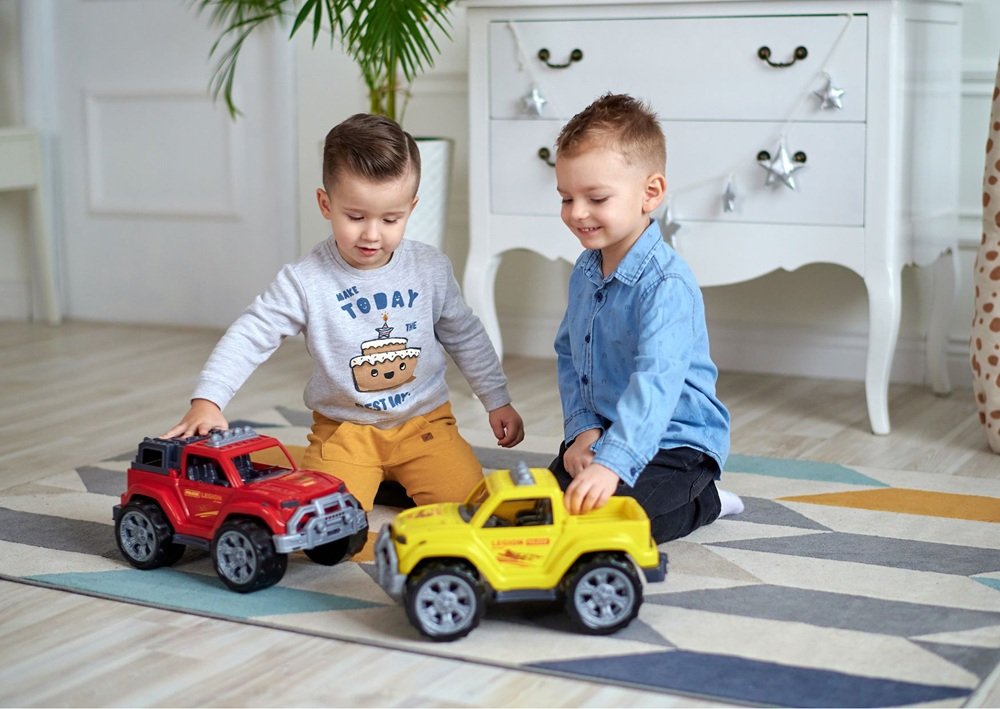
The best Baby Nursery Design Ideas start with understanding how the room will actually be used. A thoughtful Baby Room Design should make feeding, changing, sleeping, organizing essentials, and spending quiet time together feel easier while still reflecting your family's personality. Just as importantly, today's Baby Room Ideas should be adaptable enough to transition into a toddler space without requiring a complete redesign. Real Homes similarly emphasizes that a nursery should be both imaginative and functional while remaining easy to update as a child's needs change.
In this guide, we'll explore practical and stylish Nursery Room Ideas, including layouts, color palettes, decorating styles, furniture, storage, lighting, and long-term planning to help you create a nursery that feels beautiful now and continues to work for years to come.
Start With a Nursery Design Plan
Before buying furniture, selecting wallpaper, or choosing decorative accessories, it helps to establish a clear direction for the room. A thoughtful nursery plan keeps the space cohesive and prevents unrelated colors, furniture styles, and decor from competing with one another. The strongest Design Ideas Nursery concepts begin with a simple vision that guides every decision, from the crib and storage to lighting and artwork. This approach also makes it easier to create a space that feels intentional rather than overly decorated.
Decide How You Want the Nursery to Feel
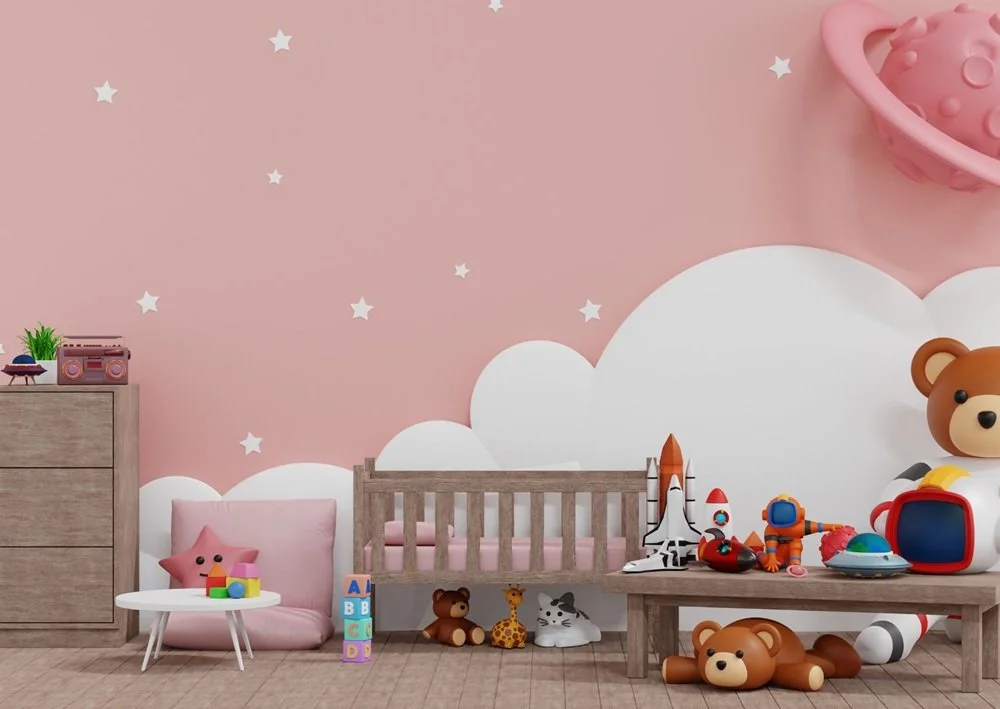
Start by choosing three words that describe the atmosphere you want to create. You might want the nursery to feel calm, warm, playful, natural, modern, whimsical, minimal, colorful, or traditional. These words can act as a filter when comparing different Nurseries Design Ideas. If a piece of furniture, color, or accessory does not support the feeling you are trying to create, it may not belong in the final room. This simple step can turn a general Nursery Design Idea into a much more cohesive concept.
Create a Nursery Mood Board
A mood board helps turn inspiration into a more complete Baby Room Design. Collect images of colors, furniture, wallpaper, rugs, lighting, artwork, storage, fabrics, and textures that appeal to you. We recommend creating a mood board using inspiration from saved images, magazines, and the existing style of your home so the nursery feels connected to the rest of the interior. Reviewing everything together can reveal patterns in your preferences and make Designed Nursery Design Ideas easier to visualize before purchasing anything.
Choose What to Finish Now and What Can Wait
The nursery does not need to be completely decorated before your baby arrives. Begin with the practical essentials and allow decorative details to develop over time. Ideal Home notes that parents can start with the basics and gradually build the nursery as their needs and preferences become clearer. This can reduce unnecessary spending while creating a room that evolves naturally with your family.
Nursery Design Layout Ideas That Make the Room Work
A successful Nursery Design Layout should do more than make the room look beautiful. It should make everyday routines easier, create comfortable movement through the space, and allow the room to adapt as your child grows. The best Nursery Layout Ideas organize the room around a few clear activity zones so sleeping, feeding, changing, storage, and play all have a natural place without making the nursery feel crowded.
Create a Sleep Zone
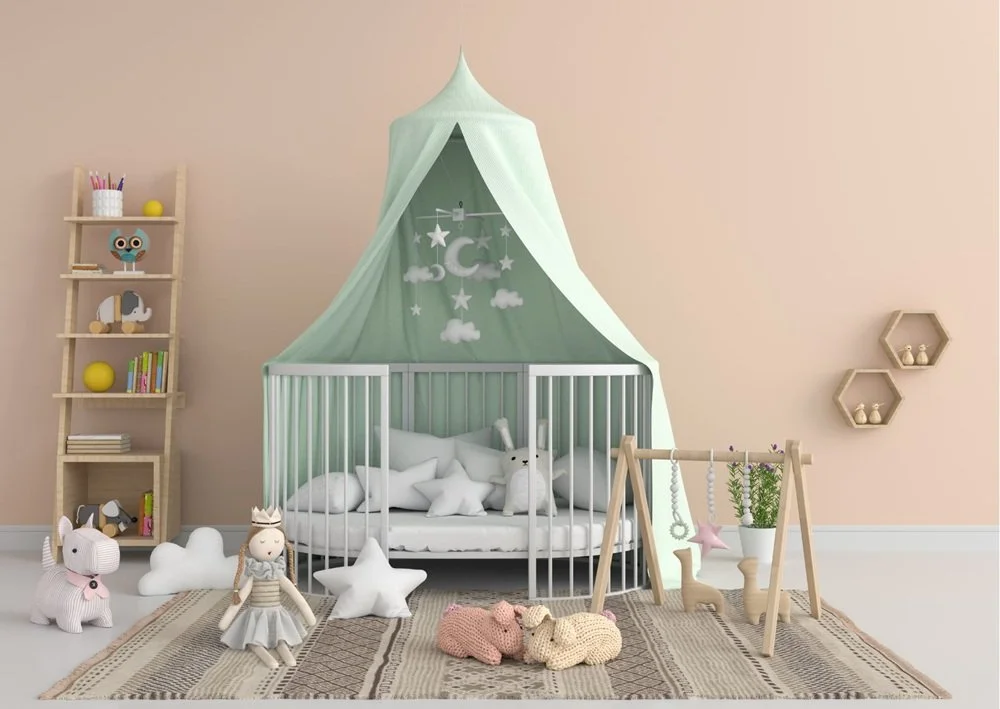
The crib is usually the main feature of the nursery, so begin the layout by deciding where it should go. Choose a position that leaves enough open floor space for comfortable movement around the room and keeps the sleeping area feeling calm and uncluttered. Ideal Home recommends considering crib placement carefully, including keeping it away from windows and radiators when possible. Once the crib is positioned, the rest of the Nursery Design Layout can be organized around it.
Create a Feeding and Comfort Zone
Set aside a comfortable area for feeding, rocking, reading, and soothing your baby. A supportive armchair or rocking chair works best when placed near soft lighting and a small surface or storage area for items you may need during nighttime routines. Ideal Home notes that parents are likely to spend a significant amount of time in the nursery, especially during feeds and settling periods, so their comfort should be considered as part of the design.
Create a Changing and Storage Zone
Keep the changing area organized by placing frequently used supplies close together. Diapers, clothing, wipes, blankets, and other essentials should be easy to reach without requiring you to move around the room unnecessarily. A dresser, changing surface, baskets, and nearby shelving can create one efficient zone while reducing visual clutter throughout the rest of the nursery.
Create a Future Play and Reading Zone
Good Nursery Layout Ideas also consider how quickly the room will change. If space allows, leave an open area that can eventually become a play and reading zone. A small rug, accessible book storage, toy baskets, and low shelving can gradually replace some baby-specific features. Ideal Home suggests displaying books facing outward on shallow shelves, which keeps them accessible while also allowing them to function as colorful room decor.
Keep Clear Circulation Paths
Avoid filling every wall and corner simply because space is available. Too much furniture can make daily routines more difficult and limit how easily the room can evolve. Keeping clear walking paths and some open floor space makes the nursery feel larger, calmer, and more flexible as changing tables, play areas, storage, and toddler furniture are introduced over time.
Choose a Nursery Color Palette
Color has a major influence on how a nursery looks and feels, so it helps to choose a palette before selecting furniture, artwork, and accessories. A thoughtful Baby Room Design uses color to create a calm, welcoming atmosphere while leaving enough flexibility for the room to change over time. Whether you prefer soft neutrals, gentle pastels, or stronger accent colors, the goal is to create a balanced foundation that supports the rest of your Nursery Interior Design Ideas.
Warm Neutral Nursery Design Ideas
Warm neutrals are a timeless choice for parents who want a nursery that can easily evolve as their child grows. Shades such as beige, cream, warm white, taupe, muted brown, and natural wood create a soft backdrop without making the room feel plain. Ideal Home recommends layering several neutral shades together and introducing texture through furniture and accessories rather than relying on a single beige tone. This approach adds depth while keeping future Kids Room Ideas easy to incorporate.
Soft Pastel Baby Room Ideas
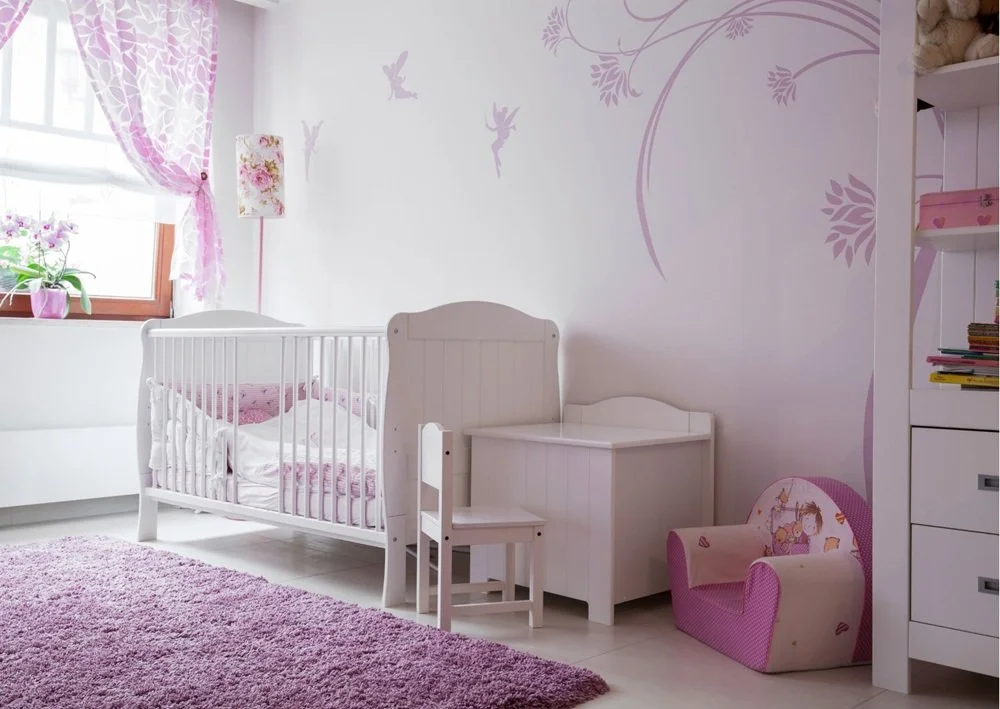
Pastels remain popular Baby Room Ideas because they introduce color without making the space feel overly stimulating. Muted blue, blush, lavender, sage, soft yellow, and peach can create a gentle and inviting atmosphere. Ideal Home highlights soft pinks, blues, yellows, mauve, and lavender as flexible shades that can adapt as a child grows. These colors can be used across walls, textiles, artwork, or small decorative details.
Neutral Backdrop With Pops of Color
A neutral foundation paired with colorful accents is one of the most adaptable approaches to Baby Room Design. Real Homes recommends keeping the main backdrop simple and bringing in color through furnishings and accessories, making it easier to update the room as a child's tastes change. Rugs, curtains, artwork, toys, and bedding can introduce personality without requiring a complete redesign later.
Bold Color Without Overwhelming the Room
Parents who prefer stronger colors do not need to use them across every surface. A bold accent wall, colorful rug, painted piece of furniture, statement artwork, or decorated ceiling can create a focal point while allowing the rest of the room to remain calm. Keeping stronger shades concentrated in selected areas helps create visual interest without making the nursery feel busy.
Match the Palette to Natural Light
Consider how much natural light the nursery receives before finalizing the palette. Ideal Home notes that warmer whites can help soften rooms with cooler or limited light, while cooler whites can complement brighter spaces and cooler color schemes. Choosing colors with the room's lighting in mind helps the finished nursery feel more balanced throughout the day.
10 Nursery Design Styles and Themes to Inspire the Room
Choosing a Nursery Design Style can make the decorating process feel much more focused because it gives you a clear direction for colors, furniture, artwork, textiles, and accessories. Themes can be playful and imaginative, but they do not need to appear on every wall or piece of furniture. HALO highlights floral, safari, celestial, woodland, tropical, bohemian, travel, and literature-inspired nurseries, while Ideal Home suggests using flexible elements such as bedding, toys, books, and wall art when you want a theme that can evolve as your child grows. These Baby Nursery Ideas can therefore feel coordinated without becoming difficult to update later.
1. Modern Neutral Nursery
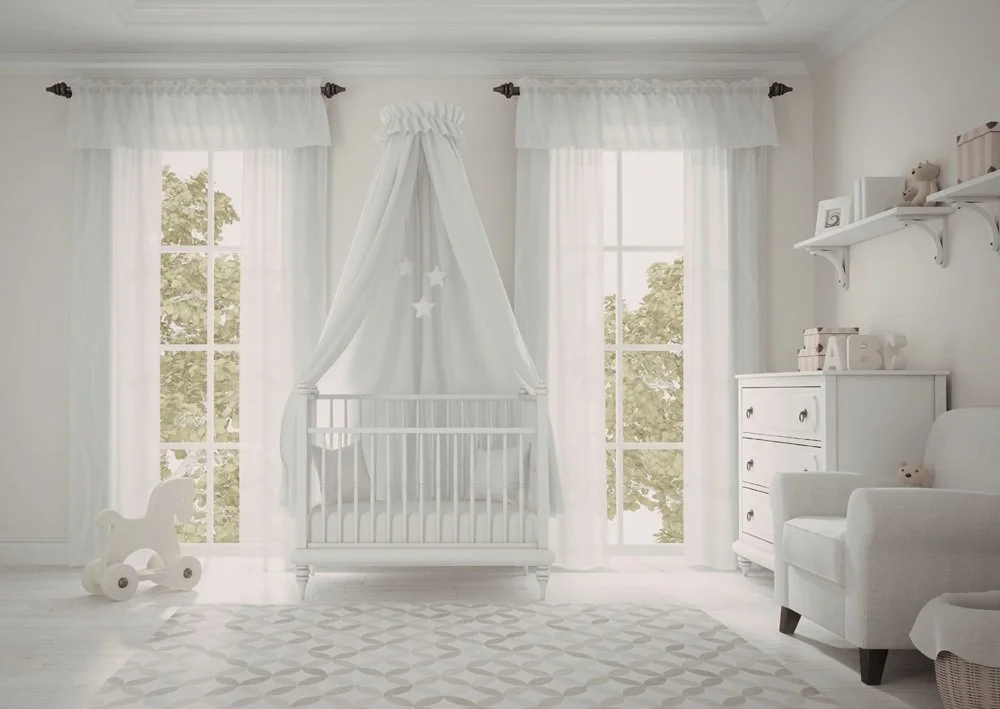
A modern neutral nursery works well for parents who prefer understated Nursery Decor Ideas. Start with warm whites, beige, taupe, or soft brown, then add clean-lined furniture and natural wood for warmth. Keep wall decor relatively simple and introduce personality through artwork, rugs, and textiles. This Nursery Design Style creates a calm foundation that can easily accommodate new colors and accessories as the room eventually transitions into a child's bedroom.
2. Woodland Nursery
Woodland themes bring nature indoors with forest animals, earthy colors, and organic-looking materials. HALO recommends animals such as owls, foxes, bears, and deer alongside shades of green, brown, and gray. Warm lighting, natural wood, textured fabrics, and subtle forest-inspired artwork can complete the look. These Kids Nursery Design Ideas are especially easy to soften or modernize by keeping the walls neutral and introducing the woodland theme through accessories.
3. Safari Nursery
A safari nursery can feel adventurous without becoming overly busy. Giraffes, elephants, lions, and other animals can appear through framed prints, toys, bedding, or a single statement wall. HALO suggests earthy shades such as brown, green, yellow, and tan for safari-inspired spaces. Natural wood and woven textures can help connect the colors while creating a warm, approachable take on classic Nursery Decorating Ideas.
4. Celestial Nursery
Stars, moons, clouds, and planets can create a dreamy nursery with plenty of room for personalization. HALO recommends deep blues, purples, silver, and gold along with celestial wallpaper, artwork, and fabrics. For a softer approach, use muted navy or lavender against neutral walls and add celestial details through bedding or framed art. This keeps the theme imaginative while making it relatively easy to update.
5. Floral or Garden Nursery
Floral and garden-inspired Nursery Decoration Ideas can range from delicate and traditional to colorful and modern. HALO suggests combining botanical elements with floral patterns, textured fabrics, artwork, and garden-inspired details. Botanical wallpaper can create a focal point, while softer versions of the theme might use floral prints, natural textures, and subtle colors. The result can feel fresh and decorative without requiring every element in the room to match.
6. Bohemian Nursery
A bohemian nursery is ideal for parents who like layered textures, warm colors, and relaxed interiors. HALO's interpretation combines terracotta, mustard, dusty pink, sage, and indigo with natural fabrics, textured walls, woven baskets, and decorative textiles. Wicker storage and wood furniture can add warmth without making the room feel overly themed. These Nursery Interior Design Ideas work particularly well when the palette stays cohesive.
7. Scandinavian Nursery
Scandinavian-inspired Kid Nursery Design Ideas focus on simplicity, light colors, and natural materials. Real Homes describes an all-white scheme as an effective foundation for creating a calm Scandi atmosphere that is also easy to update. Warm white walls, pale wood furniture, understated textiles, and carefully selected accessories can create a nursery that feels peaceful and uncluttered while still leaving room for playful details.
8. Travel and Adventure Nursery
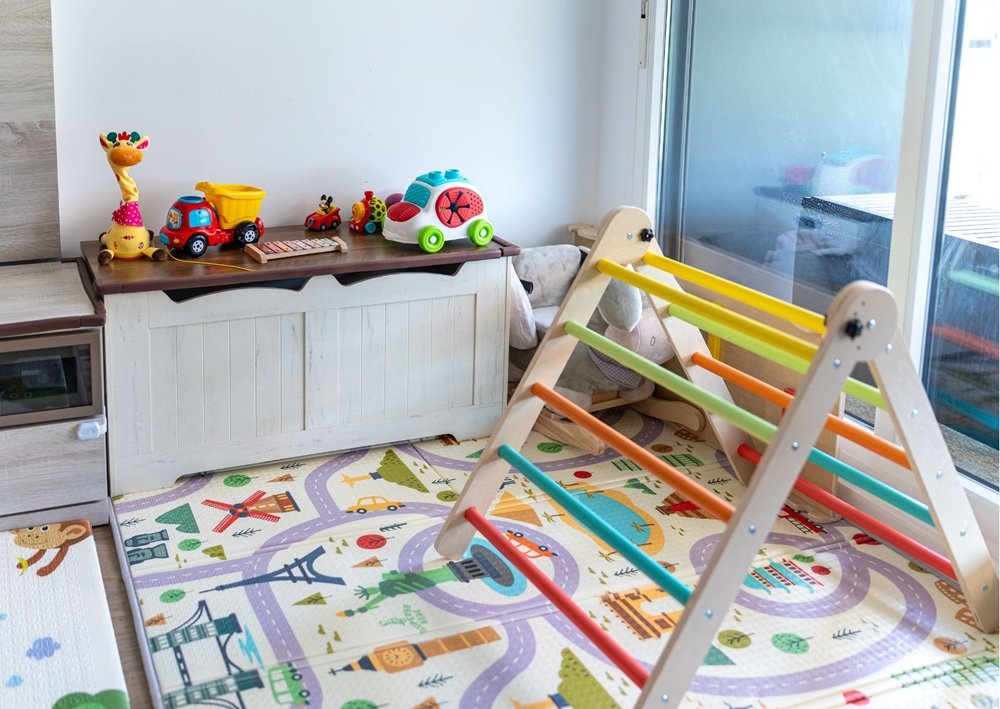
A travel nursery can introduce a sense of discovery through maps, globes, airplanes, hot-air balloons, and images of favorite destinations. HALO recommends combining a neutral base with selected pops of color and travel-inspired wall treatments or accessories. Rather than committing to permanent themed finishes, maps, framed photographs, books, and decorative objects can create the story while remaining easy to replace later.
9. Storybook Nursery
A storybook nursery builds its personality around favorite children's books and characters. HALO suggests warm colors, wooden furniture, framed illustrations, decorative objects, and a dedicated reading area with a chair and bookshelf. Parents can keep the theme subtle by displaying books and artwork rather than covering the entire room in character imagery. This approach also encourages the reading area to become a lasting feature as the child grows.
10. Playful Contemporary Nursery
For a more expressive room, contemporary Nursery Design Ideas can use graphic wallpaper, murals, color blocking, or one unexpected focal point. Real Homes notes that murals can create a strong centerpiece and help a baby's room transition into a more playful toddler space. Keeping the surrounding furniture and colors relatively simple allows one bold design feature to stand out, creating Kids Nursery Design Ideas that feel fun, modern, and easy to personalize.
Nursery Wall and Decor Ideas
Nursery Decor Ideas can add personality and visual interest without requiring a complete theme or major renovation. Wall treatments, artwork, decals, and ceiling details are especially useful because they can transform the room while keeping the larger furniture pieces simple and adaptable. The best Nursery Decorating Ideas create a focal point without making every surface compete for attention.
Add Wallpaper Without Covering Every Wall
Wallpaper can make a nursery feel more polished, but it does not need to cover the entire room. A single feature wall, alcove, half-wall treatment, or even wallpaper on the ceiling can introduce pattern and texture without overwhelming the space. Real Homes notes that wallpaper can add visual interest and help brighten a room, particularly when lighter patterns are used. This makes it a flexible option for many Nursery Interior Design Ideas.
Create a Nursery Mural
A mural can become the main decorative feature of the room while keeping the rest of the nursery relatively simple. Real Homes recommends murals as a strong graphic centerpiece and notes that they can help a baby’s room transition into a more playful toddler space. Nature scenes, abstract shapes, landscapes, or whimsical illustrations can all work depending on the overall design direction.
Use Removable Wall Decals
Removable wall decals are a practical choice for parents who want bold Nursery Decoration Ideas without committing to permanent wallpaper or paint. Decals can introduce animals, rainbows, stars, botanical elements, or geometric shapes and can be replaced as the child’s interests change. Real Homes highlights wall stickers as a relatively easy way to add impact to a nursery.
Decorate the Ceiling
The ceiling is often overlooked, but it can provide another opportunity to add personality without making the walls feel busy. Ideal Home points out that the ceiling is a large visual surface and can be used to introduce color or an unexpected design detail. A soft painted tone, subtle pattern, or carefully selected wallpaper can make the room feel more complete.
Personalize the Nursery
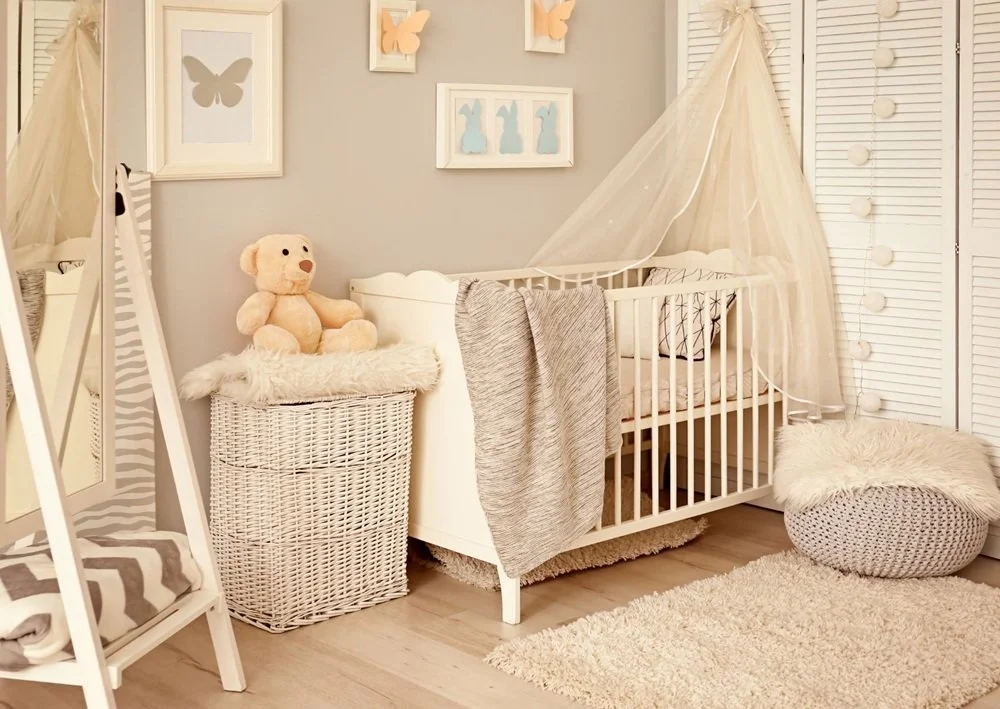
Personal details help the nursery feel unique to the family. Initials, framed artwork, meaningful photographs, or a customized gallery wall can add character without dominating the overall design. Ideal Home specifically suggests using initials as wall decor to personalize the nursery while keeping the detail easy to change later.
Choose Nursery Furniture That Can Grow With Your Child
Nursery furniture is one of the biggest investments in the room, so choosing pieces that remain useful as your child grows can make the space more practical and cost-effective. The strongest furniture choices support everyday routines now while still working as the nursery transitions into a toddler or young child’s bedroom.
Start With the Essential Furniture
Begin with the pieces you will use most often, including a crib, dresser or storage unit, changing area, and comfortable chair. Real Homes identifies these types of items among the core nursery essentials, along with storage and practical lighting. Starting with the essentials also helps prevent the room from becoming overcrowded with furniture that may rarely be used.
Invest in Convertible Furniture
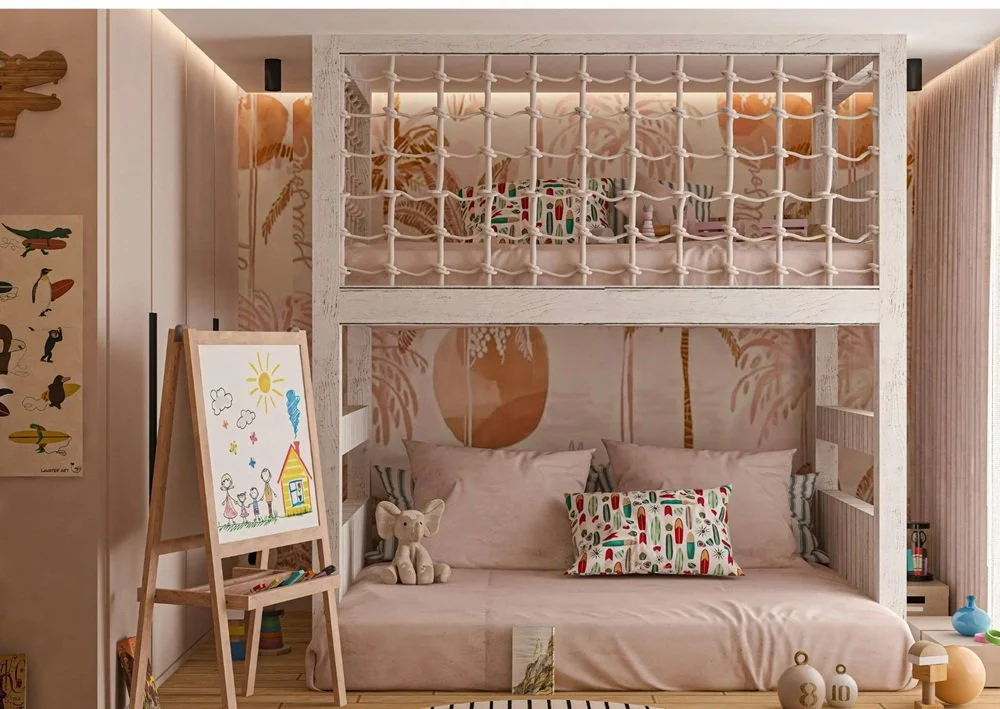
Multifunctional furniture can extend the life of the nursery and reduce the need for frequent replacements. Ideal Home recommends choosing furniture that is built to last and specifically highlights cot beds that can continue serving the child for several years. Convertible cribs, dressers that double as changing stations, and adaptable storage units can all make the room easier to update over time.
Choose Timeless Large Pieces
Because larger furniture is usually more expensive and difficult to replace, consider keeping those pieces relatively neutral. Ideal Home recommends choosing substantial nursery furniture in timeless shades so it can remain useful as the child’s preferences evolve. Personality can then be introduced through rugs, artwork, bedding, and accessories that are easier and less expensive to change.
Make the Nursing Chair Work Beyond the Nursery
A comfortable nursing chair is useful during the baby stage, but it can also become a long-term piece of furniture if chosen carefully. Real Homes recommends selecting a chair in a versatile color and material that can eventually fit elsewhere in the home. A simple, comfortable chair with washable or removable upholstery can move into a bedroom, reading nook, or living area once it is no longer needed for feeding.
Nursery Storage Ideas for a More Functional Room
Good nursery storage should make everyday routines easier while keeping the room calm and organized. Rather than adding storage wherever there is an empty space, think about what you will need most often and where you will naturally use it. The most effective nursery storage ideas combine easy-access solutions for daily essentials with larger storage for clothing, toys, and items that are used less frequently.
Use Baskets for Everyday Essentials
Baskets, caddies, and organizers are especially useful for items that need to stay within easy reach, such as diapers, wipes, muslins, blankets, and clothing. Ideal Home recommends these types of space-saving storage solutions because they keep frequently used essentials organized while also helping reduce visible clutter. Choosing baskets that coordinate with the nursery decor can also make practical storage feel like part of the overall design.
Combine Open and Closed Storage
A mix of open and closed storage creates a good balance between display and organization. Open shelves can hold attractive books, favorite toys, framed artwork, or decorative objects, while drawers and cabinets can conceal diapers, extra linens, clothing, and other everyday supplies. This approach keeps useful items accessible without making every surface feel visually busy. Open storage can also become more child-friendly as your baby grows and begins choosing books and toys independently.
Use Vertical Wall Space
When floor space is limited, walls can provide valuable additional storage. Narrow shelving, book ledges, wall-mounted organizers, and peg rails can help keep items off the floor while preserving walking and play space. Ideal Home suggests using wall-mounted rails to organize clothing and keep selected outfits conveniently within reach. Vertical storage can be especially helpful in smaller nurseries where every square foot matters.
Plan Storage for Toys Before You Need It
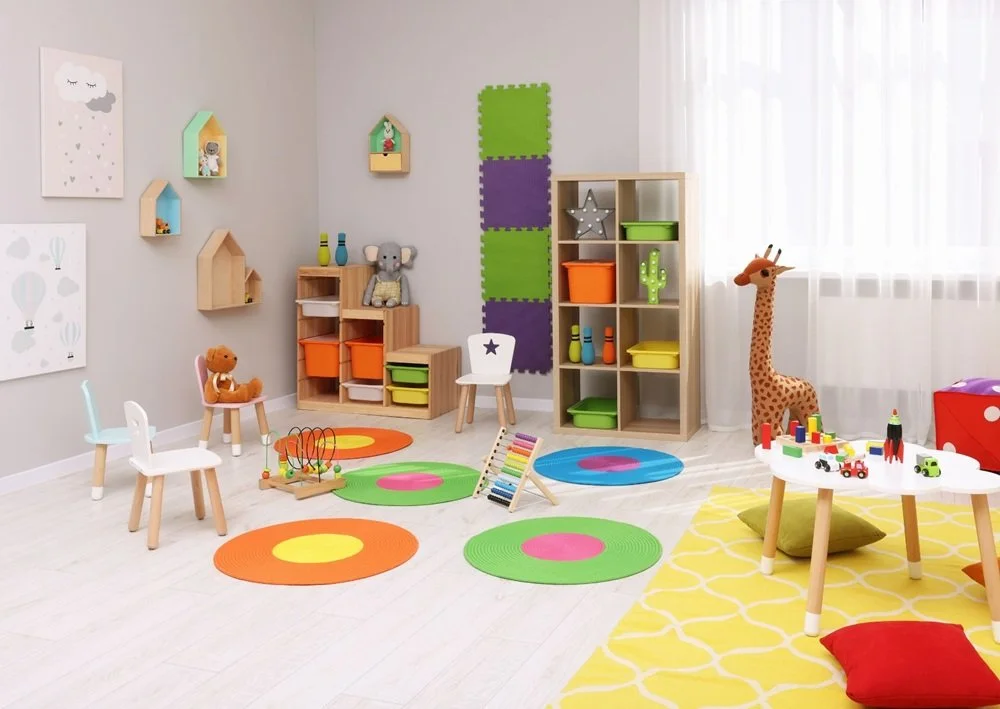
A nursery may begin with diapers, blankets, and baby clothing, but toys and books quickly become a larger part of the room. Choosing flexible storage from the start can make that transition easier. Real Homes recommends thinking beyond the newborn stage and selecting storage that can continue working as the child grows. A changing unit that stores diapers today, for example, may later hold toys, books, art supplies, or clothing.
Nursery Lighting and Window Ideas
Lighting and window treatments affect both the atmosphere and functionality of a nursery. A well-designed space should provide enough light for changing, feeding, and organizing while also offering softer options for nighttime routines and sleep. Natural light, privacy, and the ability to darken the room should all be considered together.
Layer the Lighting
Rather than relying on one bright overhead fixture, use several sources of light throughout the room. A ceiling fixture can provide general illumination, while a soft lamp or task light near the nursing chair can make nighttime feeds more comfortable. Gentle nighttime lighting can also help parents move through the room without creating a harsh atmosphere. Ideal Home recommends layering light sources and choosing warm-toned, dimmable lighting to create a softer nursery environment.
Make Daytime Naps Easier
Controlling daylight can make the nursery more adaptable for daytime sleep. Blackout blinds or lined curtains can reduce outside light when needed without affecting how the room functions during the rest of the day. Ideal Home recommends blackout window treatments as a way to manage daylight during sleep periods and also suggests layering them with lighter window coverings when privacy and natural light are both important.
Balance Privacy and Natural Light
If the nursery is on the ground floor or overlooked by neighboring homes, privacy can become an important consideration. Real Homes suggests window film as one option for maintaining privacy while still allowing natural light into the room. Sheer curtains can provide a similar visual softness during the day and can be paired with more substantial coverings for nighttime privacy and light control.
Keep the Atmosphere Warm and Calm
The color temperature of your lighting should complement the overall nursery design. Warm light generally works well with beige, cream, natural wood, blush, sage, and other soft palettes, while very cool or overly bright lighting can change how those colors appear. Keeping the lighting gentle and consistent helps the furniture, wall colors, and decorative details feel more cohesive while supporting the calm atmosphere many parents want in a nursery.
Nursery Design Ideas for Babies That Transition Into Toddler Rooms
The most practical Nursery Design Ideas For Babies consider how quickly the room will need to change. A nursery that works beautifully during the newborn stage may soon need space for books, toys, play, and more independent routines. Designing with flexibility in mind can make the transition easier and reduce the need for a complete redesign when the room becomes a toddler bedroom.
Start With a Flexible Background
Neutral or adaptable walls create a strong foundation for both baby and toddler stages. Warm whites, soft beige, muted greens, pale blues, or other understated shades can work with many different decorative styles. Real Homes recommends keeping the backdrop relatively simple so color and personality can be introduced through easier-to-change elements as the child grows. This approach makes Nursery Design Ideas For Toddlers easier to introduce later.
Replace Baby Decor Instead of the Whole Room
Rather than redesigning the entire space, update the smaller decorative details. Mobiles can be replaced with artwork, baby-themed prints can become more playful wall decor, and rugs, bedding, toys, and accessories can gradually reflect your child’s developing interests. Keeping the larger furniture and wall colors relatively timeless allows Toddler Nursery Design Ideas to feel fresh without requiring major renovations or unnecessary purchases.
Transition From Changing Area to Toy Storage
Furniture can often serve a new purpose once the baby stage ends. A dresser used as a changing station can continue storing clothing, while shelving or storage units originally filled with diapers and blankets can later hold toys, books, games, or art supplies. Real Homes specifically recommends flexible nursery storage that can continue to serve the child as their needs change.
Add Child-Accessible Books and Storage
As toddlers become more independent, adjust the room so some items are easier for them to reach. Low book displays, baskets, and accessible toy storage can encourage children to select their own books and activities. Ideal Home notes that outward-facing books displayed within reach can support independent reading while also functioning as cheerful room decor.
Introduce More Playful Color as They Grow
Kid Nursery Design Ideas and Kids Room Ideas can gradually become more expressive as the child develops their own personality. Real Homes points out that a baby’s nursery can quickly become a toddler bedroom and play space, making it worthwhile to decorate with the future in mind. Adding brighter artwork, colorful textiles, playful patterns, or a new rug can transform the room while preserving its original foundation.
Create a Nursery That Can Grow Along With Your Family
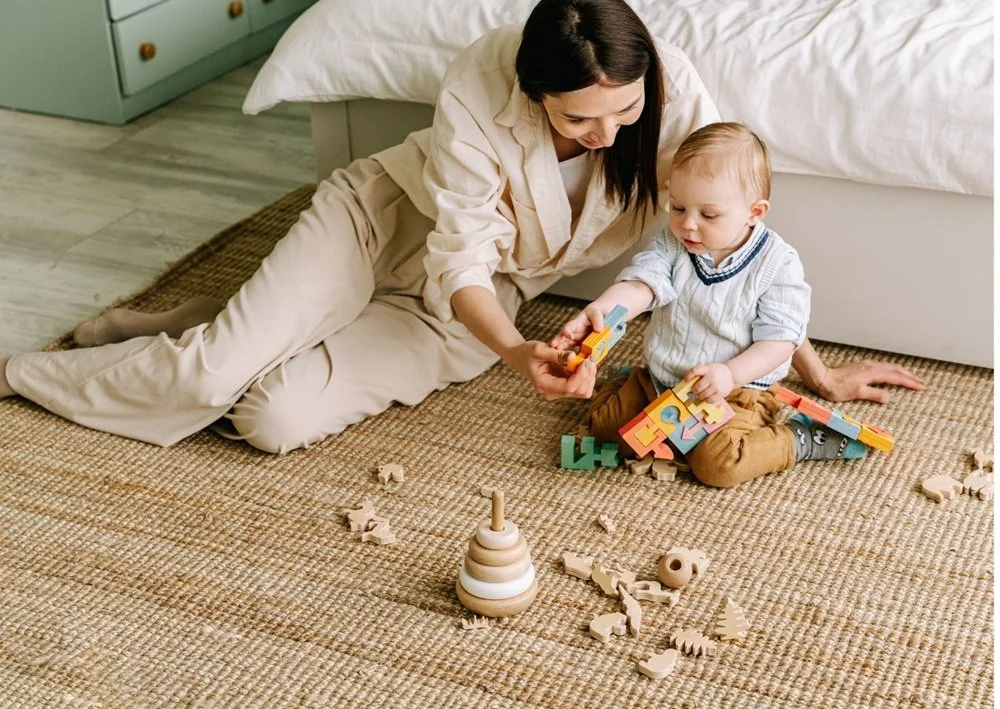
The strongest Nursery Design Ideas are not about buying every trending product or making sure every detail is finished before your baby arrives. A successful nursery should support everyday routines, feel calm and welcoming, reflect your family’s style, provide enough practical storage, and remain flexible enough to change as your baby becomes a toddler.
Starting with a thoughtful layout, adaptable furniture, a cohesive color palette, and functional storage can make the room easier to live with now and easier to update later. Decorative details can always be added gradually as your child’s personality and needs become clearer. HALO similarly emphasizes creating a nursery that reflects personal style while supporting a child’s growth, with safety and creativity remaining central to the design process.
As you plan your space, save your favorite Baby Nursery Ideas, create a mood board, establish the layout first, and then layer in furniture, color, lighting, and decor. A nursery designed this way can feel special from the beginning while continuing to work beautifully for your family in the years ahead.
Frequently Asked Questions About Nursery Design Ideas
What should be included in a nursery?
A functional nursery should begin with the essentials rather than decorative extras. Real Homes recommends considering a crib, mattress, nursing chair, changing area, drawers or other storage, soft lighting, blackout blinds or curtains, a play mat, and a baby monitor. Once these basics are in place, artwork, rugs, accessories, and other Nursery Decor Ideas can be added gradually.
How do I start designing a baby nursery?
Start by creating a mood board that establishes the overall look and feeling you want for the room. Real Homes recommends collecting inspiration from images, magazines, and the style already present throughout your home. From there, establish the layout, choose a color palette, select the major furniture, and then layer in lighting, storage, textiles, artwork, and decorative details.
What is the best nursery design layout?
There is no single Nursery Design Layout that works for every room because the best arrangement depends on the room's size, shape, doors, windows, and available wall space. A practical layout generally separates sleeping, changing, feeding, and storage areas while maintaining clear walking paths. Ideal Home also recommends considering crib placement carefully, including its proximity to windows and radiators.
What are the best nursery design ideas for small rooms?
For smaller rooms, focus on making every piece work harder. Real Homes recommends keeping compact nurseries visually calm and avoiding too many competing colors. Multifunctional furniture, wall-mounted shelving, narrow book ledges, baskets, and other vertical storage solutions can reduce floor-space demands while still providing room for the essentials.
What colors are best for a baby's nursery?
There is no single color palette that is best for every baby room. Ideal Home highlights muted pastels such as soft pink, blue, yellow, mauve, and lavender as gentle, flexible choices. Warm neutrals can also provide an adaptable backdrop, especially when layered with texture and subtle accent colors rather than relying on one flat neutral shade.
How can I make a nursery look more expensive?
Taken together, the source ideas suggest that a nursery can feel more polished by focusing on a few intentional design features rather than filling the room with accessories. A cohesive palette, statement wallpaper or a mural, layered lighting, natural wood, textured materials, and carefully selected artwork can create more visual impact. Keeping the overall design coordinated also helps Nursery Interior Design Ideas feel more considered.
How do you decorate a nursery without choosing a theme?
A nursery does not need a safari, woodland, celestial, or other defined theme to feel cohesive. Instead, use a consistent combination of color, materials, patterns, and textures. Ideal Home notes that strong themes can be difficult to update as children grow and suggests using flexible elements such as bedding, toys, artwork, and books when adding personality.
What nursery styles grow well with a child?
Neutral, Scandinavian, natural, modern, and lightly themed rooms tend to offer the most flexibility because their larger design elements do not depend heavily on baby-specific imagery. Real Homes specifically recommends simple backgrounds that can be updated as a child's preferences change. Personality can then be introduced through artwork, textiles, toys, books, and other easily replaced accessories.
How can I transition a baby's nursery into a toddler room?
Begin by keeping the main furniture and background relatively adaptable. As your baby grows, replace mobiles and infant artwork with more age-appropriate decor, introduce toy and book storage, and repurpose changing furniture rather than automatically replacing it. Real Homes emphasizes selecting flexible storage because nursery furniture can serve different purposes as the child gets older.
Should nursery furniture match?
Ideal Home notes that matching nursery furniture sets can make coordination easier, particularly because collections may change over time. However, the sources do not state that every piece must match. From a broader design perspective, furniture can still feel cohesive when pieces share complementary wood tones, finishes, proportions, or an overall Nursery Design Style.
How much storage does a nursery need?
There is no universal amount of nursery storage because families have different room sizes and belongings. The sources place more emphasis on keeping frequently used items organized and accessible. Ideal Home recommends baskets, caddies, and other space-saving storage for essentials such as diapers, clothing, and muslins. Planning additional flexible storage can also prepare the room for future toys and books.
Where can I find nursery design ideas near me?
The three source articles focus on general design inspiration rather than finding local nursery professionals. As a practical next step, people searching for Nursery Design Ideas Near Me can review portfolios from local interior designers, visit nursery furniture and home-design showrooms, and compare examples online before deciding which ideas suit their space. Bringing room measurements and saved inspiration can also make consultations more productive.