
Patio Design Ideas: Beautiful Outdoor Spaces for Every Home Style and Budget
A patio is no longer just a simple outdoor area with a few chairs and a table. Today, patios are designed as functional extensions of the home where homeowners can relax, entertain guests, enjoy meals, and spend more time connected with nature. A thoughtfully planned patio can create an inviting outdoor environment that feels comfortable, stylish, and connected to the overall design of the property.
The best patio design ideas combine both beauty and practicality. Creating the right outdoor space starts with understanding how the area will be used, whether it is intended for family gatherings, quiet mornings, outdoor dining, gardening, or creating a private retreat. Factors such as layout, furniture selection, materials, lighting, and landscaping all play an important role in making the patio feel complete.
From small backyard spaces to expansive outdoor living areas, the right design approach can transform any patio into a place that reflects your lifestyle. With careful planning and thoughtful design choices, your patio can become another favorite room of your home where you can relax, entertain, and enjoy the outdoors throughout the year.
Planning Your Patio Design: Start With Purpose and Layout
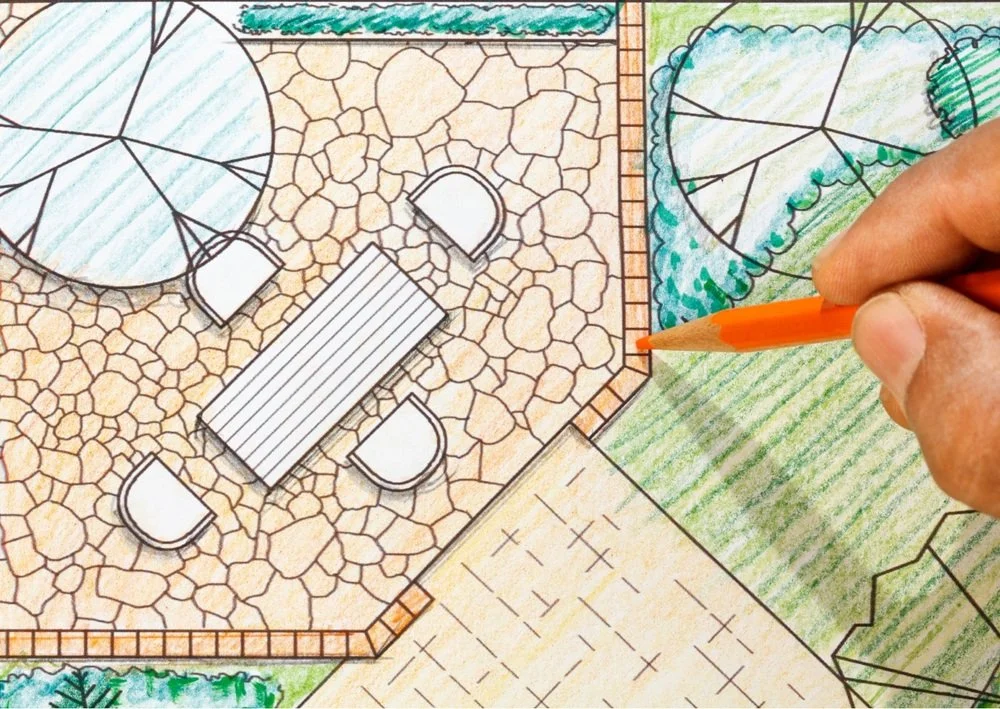
Creating a successful patio begins with more than choosing attractive furniture or selecting beautiful materials. The most functional outdoor spaces start with a clear understanding of how the area will be used and how it should support your lifestyle. A well-planned patio design considers daily routines, entertaining needs, available space, and the connection between indoor and outdoor areas.
Before choosing finishes or decorations, homeowners should develop a patio design plan that focuses on purpose and flow. Whether the goal is creating a relaxing retreat, a place for outdoor meals, or an entertainment area for gatherings, understanding how the space will function helps guide every design decision. Thoughtful planning ensures the patio feels comfortable, balanced, and practical rather than simply filled with furniture and accessories.
Define How You Want To Use Your Patio
The first step in designing a patio is determining how you want to experience the space. Every homeowner has different needs, and the best patio design ideas are those that reflect the way you actually live. A patio designed for quiet mornings and relaxation will require a different approach than one created for large gatherings and outdoor entertaining.
For homeowners who enjoy peaceful outdoor moments, a comfortable seating area with cozy chairs, soft lighting, and surrounding greenery can create the perfect retreat for morning coffee, reading, or enjoying fresh air. Those who frequently host family and friends may benefit from larger dining areas, additional seating, outdoor cooking features, or flexible spaces that allow guests to gather comfortably.
Some patios are designed as private escapes where homeowners can unwind away from the busy areas of the home. Adding privacy screens, landscaping, shade structures, or calming water features can help create a more secluded atmosphere. For families, patio designs may focus on durability, open areas for children, and furniture arrangements that encourage connection while remaining practical.
Understanding the primary purpose of your patio helps determine the right size, furniture style, layout, and additional features needed. A clear vision makes it easier to create a space that feels intentional and supports your everyday activities.
Create Functional Patio Layout Ideas
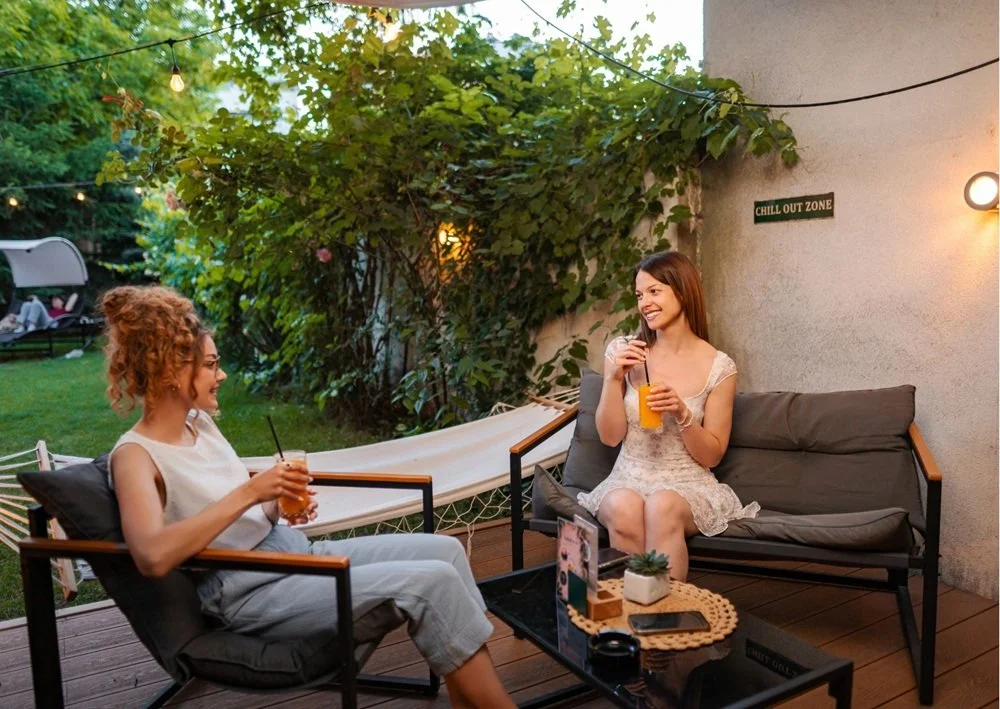
A great patio layout balances appearance with functionality. The way furniture, pathways, and activity areas are arranged can significantly impact how comfortable and enjoyable the space feels. Instead of placing everything randomly, homeowners should consider creating defined zones for different activities while maintaining a cohesive overall design.
For example, a larger patio may include a dining area positioned near the kitchen for convenient outdoor meals, a lounge area with comfortable seating for conversations, and a separate space for relaxation near landscaping or a fire feature. Dividing the patio into purposeful areas allows multiple activities to happen at the same time without making the space feel crowded.
Furniture placement is also important when designing a comfortable outdoor environment. Seating should encourage conversation by positioning chairs and sofas toward one another rather than facing away from the main gathering area. Proper spacing around furniture allows people to move easily and prevents the patio from feeling cramped.
Traffic flow should also be considered, especially when the patio connects directly to indoor living areas. Walkways should remain clear, and the arrangement should make it easy to move between the kitchen, dining area, garden, and seating spaces.
A successful patio design plan creates balance between open space and functional areas. By carefully considering movement, furniture placement, and activity zones, homeowners can create outdoor patio design ideas that feel natural, welcoming, and easy to use.
Consider Patio Size and Proportion
The size of your patio plays an important role in determining the right design approach. Both small and large patios can become beautiful outdoor living areas when the space is planned properly.
For smaller patios, maximizing every inch is essential. Compact furniture, vertical landscaping, built-in seating, and multi-purpose pieces can help create a comfortable space without overwhelming the area. Using lighter materials, simple layouts, and strategic placement can make a small patio feel more open and inviting.
Larger patios provide more opportunities for creating multiple outdoor experiences. Homeowners can incorporate separate seating areas, outdoor kitchens, dining spaces, fireplaces, or entertainment zones. However, larger spaces still require careful planning to prevent them from feeling empty or disconnected.
Choosing furniture and features that match the scale of the patio helps create a balanced appearance. The goal is to create a space that feels comfortable and proportional, regardless of the size of the outdoor area.
Connect Indoor and Outdoor Spaces
The most beautiful patio designs often feel like a natural extension of the home rather than a separate area. Creating a strong connection between indoor and outdoor spaces helps improve the overall flow of the property and makes the patio feel more intentional.
One way to achieve this connection is by using complementary colors, materials, and design elements between the interior and exterior. For example, repeating similar tones, textures, or finishes can create visual harmony between the living room, kitchen, and patio.
Flooring transitions can also play an important role. Using similar materials or coordinating surfaces between indoor and outdoor areas creates a seamless appearance and makes the spaces feel connected.
By considering the home’s architecture and existing style, homeowners can create patio design concepts that enhance the entire property. A thoughtfully designed patio should not only look beautiful on its own but should also feel like a natural continuation of the home’s character and lifestyle.
Patio Design Ideas for Every Style and Budget
A beautiful patio does not require one specific design style or an unlimited budget. The best patio designs are created by understanding the homeowner’s preferences, available space, and lifestyle needs. Whether you prefer a sleek modern outdoor space, a luxurious backyard retreat, or an affordable area for relaxing with family, there are countless ways to create a patio that feels comfortable and visually appealing.
From simple updates like new furniture and lighting to complete outdoor transformations with custom features, patio design ideas can be adapted to fit different goals and budgets. The key is choosing materials, layouts, and decorative elements that create a cohesive outdoor environment while complementing the style of your home.
Modern Patio Design Ideas With Clean Lines
Modern patio design ideas focus on simplicity, functionality, and a clean visual appearance. These outdoor spaces often feature structured layouts, minimalist furniture, and materials that create a polished contemporary look. Modern patios work especially well with homes that have simple architectural details, large windows, and open indoor-outdoor connections.
Concrete is a popular choice for modern patios because it offers flexibility through finishes such as staining, polishing, or large-format designs. Porcelain tiles and sleek pavers can also create a refined appearance while providing durability and easy maintenance. These materials allow homeowners to achieve a sophisticated look without adding unnecessary visual clutter.
Neutral colors such as gray, beige, black, and natural wood tones are commonly used in modern outdoor spaces. These colors create a calm backdrop while allowing furniture, plants, and decorative accents to stand out. Geometric patterns, clean edges, and symmetrical layouts can add architectural interest while maintaining a minimalist feel.
Modern patio designs often focus on quality over quantity. Instead of filling the space with too many decorations, carefully selected furniture, lighting, and landscaping elements create a more intentional atmosphere. Comfortable seating, subtle outdoor lighting, and simple greenery can transform a modern patio into a stylish extension of the home.
Luxury Patio Design Ideas for High-End Outdoor Living
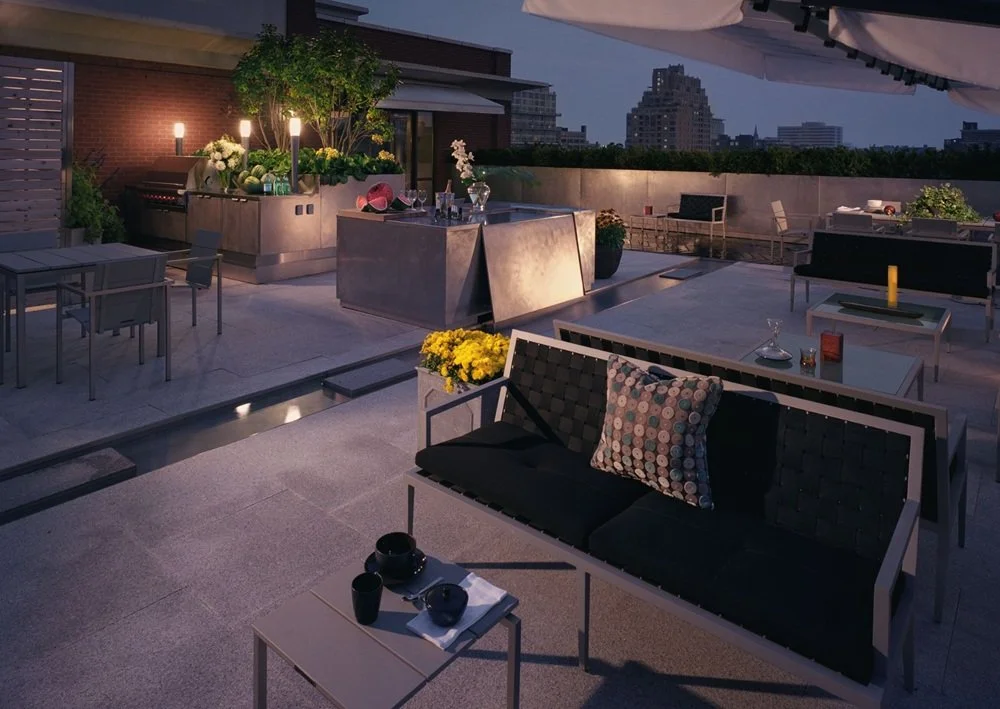
Luxury patio design ideas focus on creating outdoor spaces that provide the same comfort and sophistication as indoor living areas. These high-end designs often transform patios into complete outdoor rooms where homeowners can cook, entertain, relax, and enjoy nature throughout the year.
One of the most popular features in luxury patios is an outdoor kitchen. These spaces may include built-in grills, countertops, storage areas, refrigerators, and dining spaces designed for entertaining. Outdoor fireplaces and fire features can create a natural gathering area while extending the usability of the patio during cooler evenings.
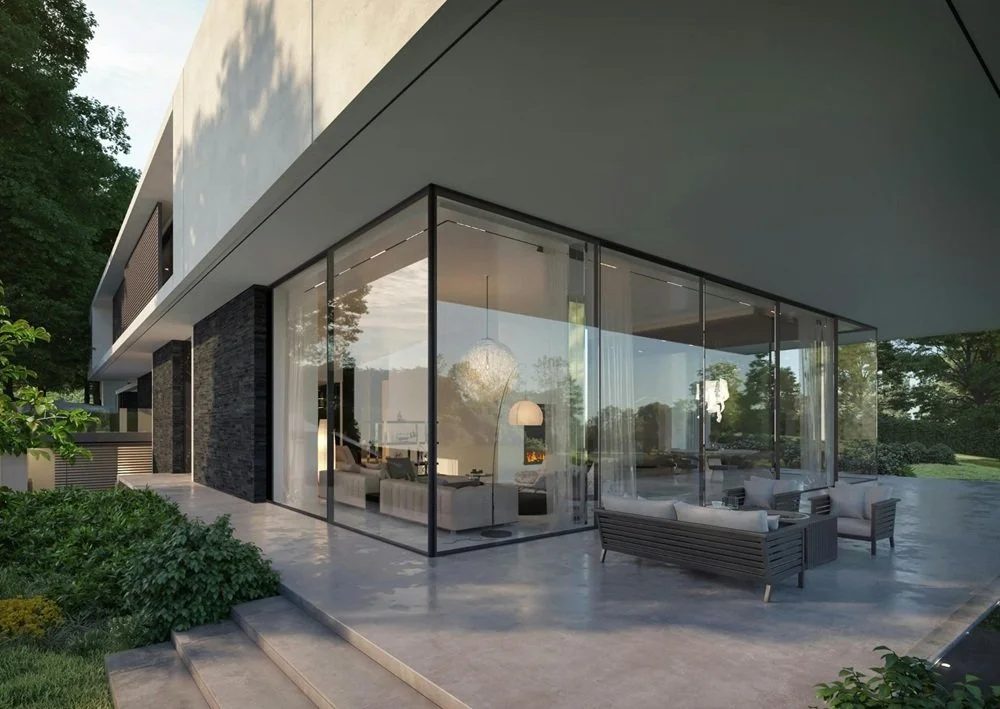
Custom furniture is another important element of high-end patio design. Instead of basic outdoor seating, luxury spaces often include premium materials, comfortable lounge furniture, and carefully selected pieces that match the overall design style. Covered patios, pergolas, and architectural structures provide shade and protection while adding visual appeal.
Designer lighting can also elevate a luxury outdoor space. Layered lighting with accent fixtures, pathway lighting, and decorative features creates a warm atmosphere after sunset. Combined with landscaping, water features, and carefully planned layouts, these elements help create a sophisticated outdoor retreat.
High end patio design ideas are not only focused on appearance but also on creating a space that improves everyday living. A well-designed luxury patio becomes a destination where homeowners can enjoy dining, entertaining, and relaxing without leaving their property.
Affordable Patio Design Ideas on a Budget
Creating a beautiful patio does not always require a large investment. Affordable patio design ideas can transform outdoor areas through simple improvements that add comfort, personality, and style without major construction.
One of the easiest ways to refresh a patio is by updating furniture. Adding comfortable chairs, a small dining set, or weather-resistant cushions can completely change the atmosphere of an outdoor space. Outdoor rugs, decorative pillows, and textiles can introduce color and texture while making the patio feel more like an extension of the home.
Lighting is another budget-friendly way to improve a patio. String lights, lanterns, and solar-powered fixtures can create a warm and inviting environment during the evening. These simple additions can make a small patio feel more relaxing and welcoming.
DIY landscaping is also an effective way to enhance an outdoor area. Adding container plants, flower beds, or vertical gardens can bring natural beauty without requiring extensive landscaping work. Repurposed materials, painted furniture, and creative décor solutions can also help homeowners achieve stylish results at a lower cost.
Cheap patio design ideas do not have to look basic. With thoughtful planning, homeowners can create attractive and functional spaces by focusing on the elements that make the biggest visual impact, such as seating, lighting, greenery, and organization.
Rustic and Farmhouse Patio Inspiration
Rustic and farmhouse patio designs create a warm, comfortable atmosphere by using natural materials, organic textures, and timeless outdoor elements. These styles are ideal for homeowners who want a relaxed space that feels connected to nature.
Natural stone, brick pavers, and wood features are commonly used in rustic patio designs because they add character and develop a natural appearance over time. Flagstone patios, for example, provide an earthy look with unique shapes and color variations that complement farmhouse and traditional homes.
Wooden pergolas, exposed beams, and rustic furniture can add warmth while creating a welcoming outdoor environment. Reclaimed materials are also popular because their weathered appearance adds personality and history to the space.
Soft textures such as outdoor rugs, woven furniture, cushions, and warm lighting can make rustic patios feel comfortable and inviting. Incorporating plants, gardens, and natural landscaping further enhances the connection between the patio and surrounding environment.
Rustic patio design concepts focus on creating spaces that feel lived-in and welcoming. Instead of relying on perfect symmetry or modern finishes, these designs celebrate natural beauty, craftsmanship, and comfort.
Mediterranean and Coastal Patio Designs
Mediterranean and coastal patio designs bring a relaxed, vacation-inspired atmosphere to outdoor spaces. These styles are influenced by warm climates, natural landscapes, and outdoor living traditions that prioritize comfort and connection with nature.
Terracotta tiles, natural stone, and warm-toned materials are common choices for Mediterranean patios. These materials create a timeless appearance while adding texture and character to the outdoor space. Soft earth tones, sandy colors, and natural finishes help create a warm and inviting environment.
Curved layouts and intimate seating areas are often used in Mediterranean-inspired designs to encourage conversation and relaxation. Built-in planters, flowering plants, and herbs can add color, fragrance, and a stronger connection to the landscape.
Coastal patio designs often incorporate lighter colors, comfortable furniture, and materials inspired by the surrounding environment. Natural wood, woven textures, and breezy fabrics can create a casual outdoor retreat that feels open and refreshing.
Water features, decorative pottery, and lush greenery can further enhance the atmosphere. Whether inspired by a seaside escape or a Mediterranean courtyard, these patio designs create a peaceful outdoor environment where homeowners can relax and enjoy their surroundings.
Outdoor Patio Design Ideas: Features That Transform Your Space
A well-designed patio is created through a combination of practical features, comfortable furnishings, and thoughtful details that make the space enjoyable throughout the year. While the layout and overall style establish the foundation, the materials, lighting, landscaping, and weather protection elements determine how functional and inviting the patio becomes.
The best outdoor patio design ideas focus on creating a balanced environment where beauty and usability work together. Whether you are designing a small backyard retreat or a large outdoor entertainment area, choosing the right features can transform a basic patio into a comfortable extension of your home.
Choose Durable Patio Materials and Paving Options
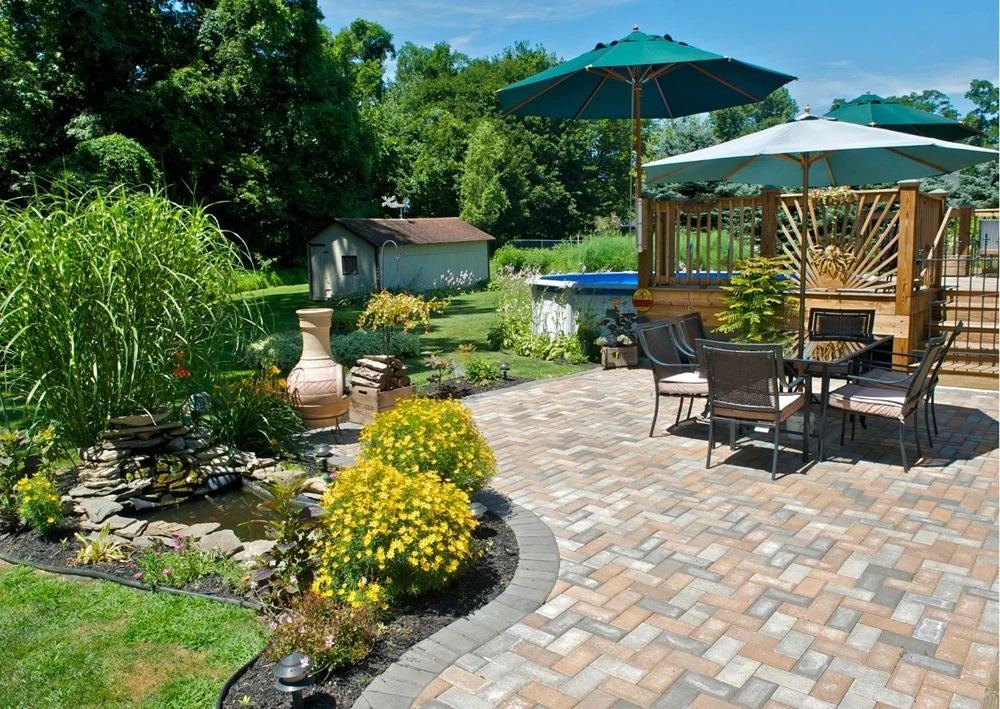
The materials used for your patio have a major impact on its appearance, durability, maintenance needs, and long-term performance. Choosing the right surface is one of the most important decisions when creating paving patio design ideas because the material needs to complement your home while also handling outdoor conditions.
Concrete remains a popular choice because it is versatile, durable, and available in many finishes. Stamped, stained, or polished concrete can create a more customized appearance while maintaining the strength needed for outdoor use. Large concrete slabs and clean finishes are especially effective for modern patio designs.
Natural stone offers a timeless appearance and works well for homeowners who want a more organic outdoor feel. Materials such as flagstone, limestone, and bluestone provide unique textures and color variations that help patios blend naturally with landscaping. Stone patios can complement traditional, rustic, and luxury outdoor spaces.
Brick is another classic option that adds warmth and character. Brick pavers work especially well for traditional or farmhouse-inspired patios because they create a welcoming appearance that develops more personality over time.
Porcelain tile and modern pavers provide additional design flexibility. Porcelain can replicate the appearance of natural materials while offering durability and easier maintenance. Pavers are available in many colors, patterns, and sizes, allowing homeowners to create customized patio layouts.
When choosing patio materials, consider your local climate, maintenance preferences, drainage needs, and the architectural style of your home. The right material should not only look attractive but also provide lasting performance for years of outdoor enjoyment.
Add Comfortable Outdoor Furniture
Outdoor furniture plays an important role in making a patio feel like a true living space. The right furniture arrangement can turn an empty outdoor area into a comfortable place for conversations, dining, relaxing, and entertaining.
When selecting patio furniture, choose pieces designed to withstand outdoor conditions. Weather-resistant materials such as treated wood, aluminum, synthetic wicker, and durable outdoor fabrics can help furniture maintain its appearance while handling sun, moisture, and changing temperatures.
Comfort should be a priority when creating outdoor patio living areas. Sofas, lounge chairs, dining tables, and accent pieces should be selected based on how you plan to use the space. A patio designed for entertaining may benefit from larger seating arrangements, while a smaller retreat may only need a comfortable chair and side table.
Furniture placement also affects the overall experience. Creating conversation areas by arranging seating toward each other encourages interaction and makes the patio feel more welcoming. Outdoor rugs, cushions, and decorative accessories can add softness and help connect the patio design with the interior style of the home.
The best patio furniture choices combine comfort, durability, and visual appeal. Quality outdoor pieces can make the patio feel like another room of the house rather than simply an outdoor area.
Use Lighting To Create Evening Ambiance
Lighting is one of the easiest ways to enhance a patio and extend its usability after sunset. A thoughtfully designed lighting plan can create a warm atmosphere while improving safety and highlighting important features of the outdoor space.
String lights are a popular choice for creating a relaxed and inviting feeling. They work well over dining areas, seating spaces, pergolas, and entertainment areas. Lanterns can add decorative charm, while wall-mounted fixtures provide functional lighting near entrances and outdoor kitchens.
Path lighting helps guide movement through the patio area while improving safety around walkways, stairs, and landscaping. Fire features such as outdoor fireplaces or fire pits can also provide natural lighting while creating a comfortable gathering point.
Layered lighting creates the best results by combining different types of fixtures. Using ambient, task, and accent lighting allows homeowners to create an outdoor space that is both practical and visually appealing.
Add Patio Landscaping Ideas With Plants and Greenery
Landscaping helps soften the hard surfaces of a patio and creates a stronger connection between the built environment and nature. Adding plants, greenery, and natural elements can make outdoor spaces feel more relaxing, private, and inviting.
Container gardens are an easy way to introduce plants without requiring major landscaping changes. Decorative pots and planters can add color, texture, and seasonal interest while allowing homeowners to move plants around as needed.
Native plants are another excellent option because they are often better suited to local conditions and may require less maintenance. Trees, shrubs, and flowering plants can provide shade, improve privacy, and create a more natural atmosphere around the patio.
Privacy landscaping is especially useful for homeowners who want a more secluded outdoor retreat. Tall plants, hedges, vertical gardens, and strategically placed planters can create separation from neighboring properties while adding beauty to the space.
Vertical gardens are a practical solution for smaller patios because they add greenery without taking up valuable floor space. Hanging plants, wall planters, and climbing plants can help maximize limited areas.
Thoughtful landscaping turns a patio into a more complete outdoor experience. Plants not only improve appearance but also contribute to comfort by creating shade, privacy, and a peaceful environment.
Include Shade and Weather Protection
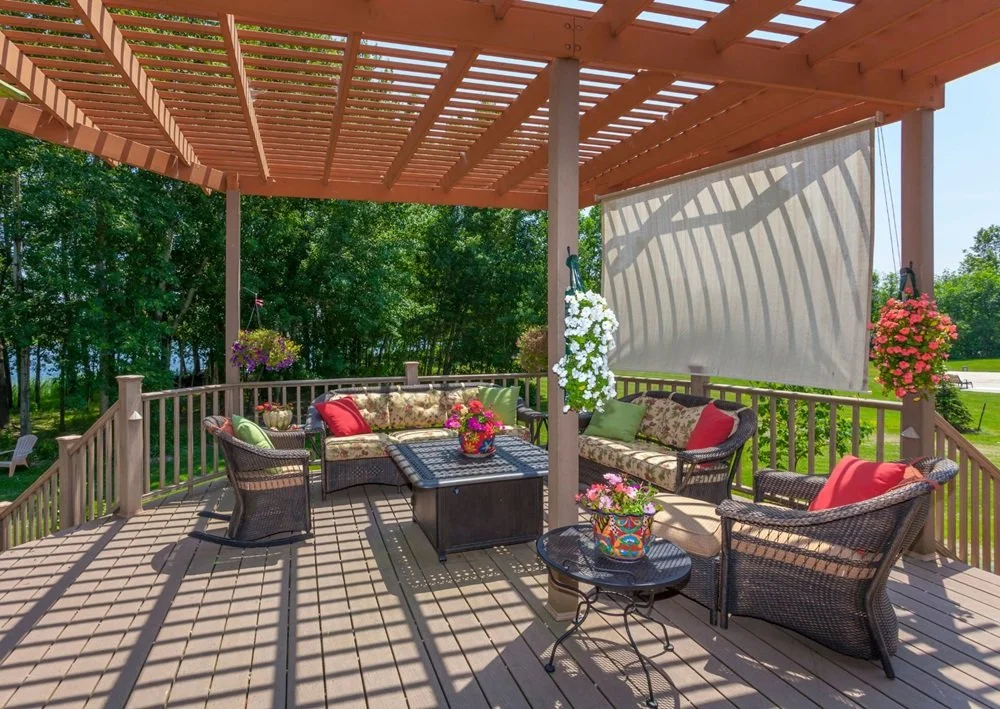
Weather protection features allow homeowners to enjoy their patios more comfortably throughout different seasons. Without proper shade, outdoor spaces may become difficult to use during hot afternoons or changing weather conditions.
Pergolas are a popular option because they provide partial shade while adding architectural interest. They can support climbing plants, outdoor lighting, and decorative elements while creating a defined outdoor room.
Umbrellas offer a flexible solution for patios that need adjustable shade. They can be moved or repositioned depending on the time of day and weather conditions, making them practical for dining areas and smaller spaces.
Covered patios provide more complete protection from sun and light rain, allowing homeowners to use the space more consistently. Retractable shades offer another flexible option by allowing homeowners to control how much coverage they need.
Adding shade and weather protection is an important part of creating a functional patio design plan. These features improve comfort, extend outdoor living seasons, and help protect furniture and materials from weather exposure. By combining practical protection with thoughtful design, homeowners can create a patio that remains enjoyable throughout the year.
Patio Design Trends and Creative Ideas for Modern Homes
Modern patio design is moving beyond simple outdoor seating areas and becoming a true extension of the home. Today’s homeowners are looking for outdoor spaces that are comfortable, flexible, and personalized to their lifestyle. The latest patio design trends focus on creating areas that support multiple activities while combining style, functionality, and sustainability.
Whether the goal is creating a space for entertaining guests, enjoying quiet moments outdoors, or connecting more closely with nature, modern patio concepts allow homeowners to design outdoor areas that feel intentional and practical. By incorporating thoughtful layouts, personalized décor, and innovative features, a patio can become one of the most enjoyable areas of the home.
Create Multi-Functional Outdoor Living Areas
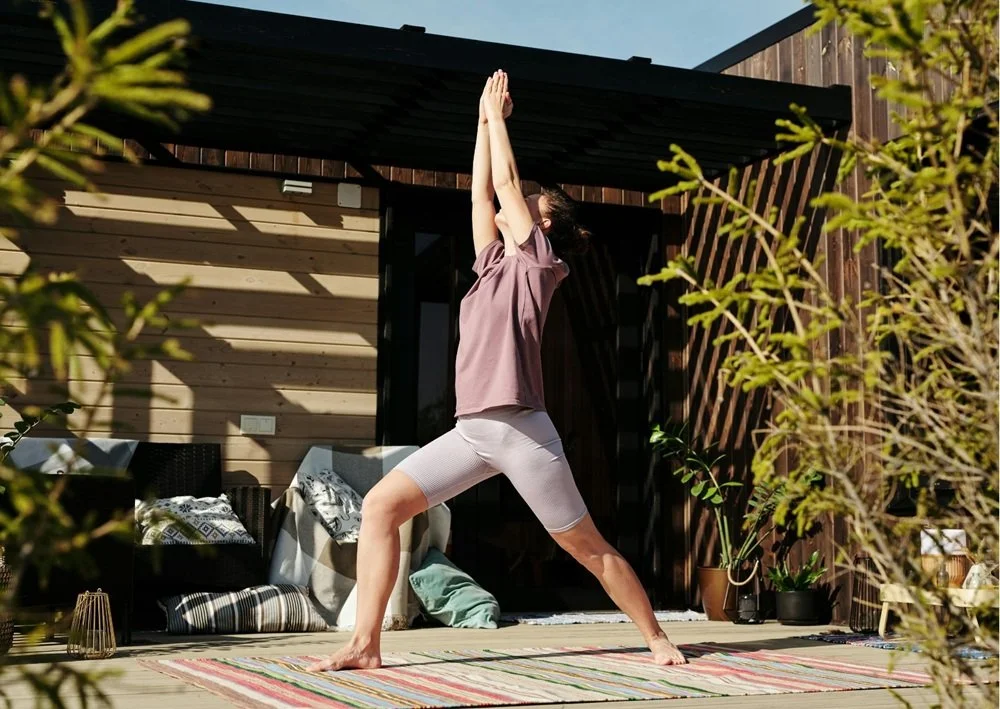
One of the biggest patio design trends is creating multi-functional outdoor spaces that serve more than one purpose. Instead of having a patio used only for occasional gatherings, homeowners are designing outdoor environments that support everyday activities such as dining, cooking, relaxing, entertaining, and even working from home.
Outdoor kitchens and dining areas have become increasingly popular because they allow homeowners to prepare meals and entertain guests without constantly moving between indoor and outdoor spaces. Features such as built-in grills, countertops, storage, and comfortable dining furniture can transform a patio into a complete outdoor dining experience.
Relaxation areas are another important part of modern patio designs. Comfortable lounge seating, fire features, and shaded areas create spaces where homeowners can unwind after a long day. For those who work remotely, a thoughtfully designed outdoor workspace with comfortable seating, shade, and reliable connectivity can provide a refreshing alternative to an indoor office.
Entertainment-focused patios often combine multiple zones, allowing different activities to happen at the same time. A well-designed layout might include a dining area for meals, a lounge area for conversations, and an open space for activities. Creating flexible outdoor living areas helps homeowners maximize their available space and enjoy their patios throughout different seasons.
Add Personal Style Through Decor
Decor plays an important role in transforming a patio from a functional area into a space that reflects personal taste. Just like interior rooms, outdoor spaces benefit from thoughtful accessories, textures, and design details that create warmth and personality.
Outdoor rugs can help define seating areas while adding color and comfort underfoot. Weather-resistant textiles, including cushions, pillows, and outdoor curtains, can introduce patterns and softness while making furniture more inviting.
Decorative elements such as artwork, sculptures, planters, lanterns, and accessories allow homeowners to customize their patios and create a stronger connection with their interior design style. A modern patio may use simple, minimal decorations, while a bohemian or rustic space may incorporate layered textures and natural materials.
The key to successful patio décor is choosing pieces that can withstand outdoor conditions while enhancing the overall design. Small details can have a significant impact, helping the patio feel like a carefully designed living area rather than just an outdoor space.
Sustainable and Eco-Friendly Patio Concepts
Sustainability has become an important consideration in modern patio design. Many homeowners are choosing environmentally responsible materials and landscaping approaches that reduce maintenance while creating beautiful outdoor spaces.
Permeable paving is one sustainable option that allows water to pass through the surface and return naturally to the ground. This can help reduce runoff while supporting better drainage around the patio area.
Recycled materials, such as reclaimed brick, recycled concrete pavers, and composite decking made from recycled materials, offer attractive alternatives to traditional options. These materials can provide durability while reducing environmental impact.
Water-efficient landscaping is another growing trend. Incorporating native plants, drought-resistant greenery, and low-maintenance gardens can create beautiful surroundings while requiring less water and upkeep. Native plants are especially valuable because they are naturally adapted to local conditions and can support surrounding ecosystems.
Eco-friendly patio concepts show that homeowners do not have to sacrifice style to make sustainable choices. With thoughtful planning, environmentally conscious features can create outdoor spaces that are both beautiful and practical.
Small Patio Design Hacks for Maximum Impact
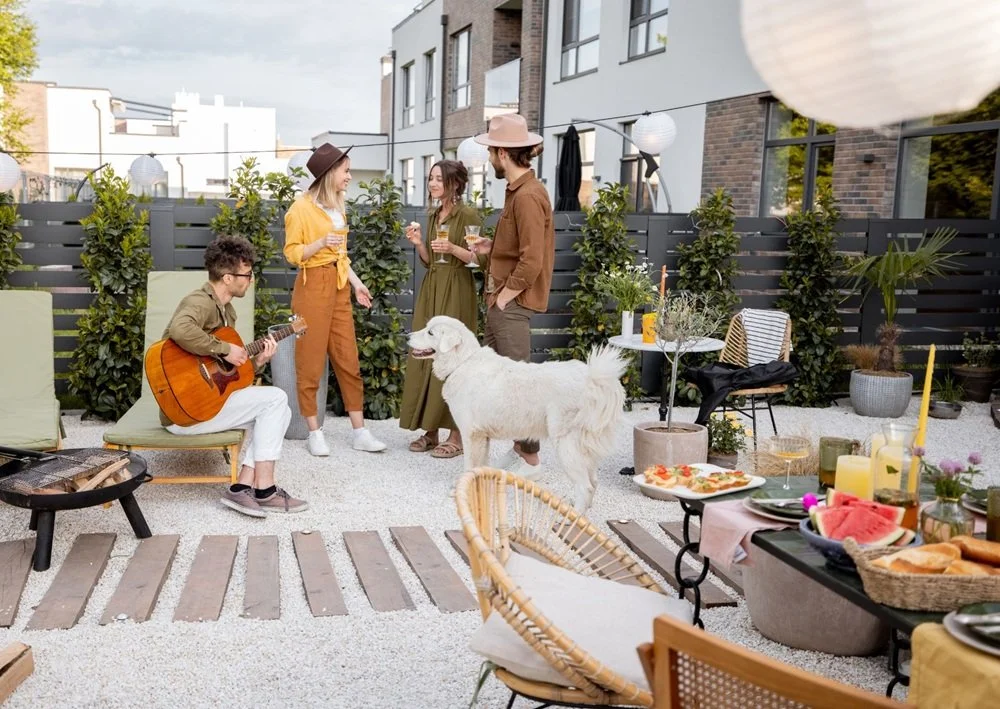
Small patios can still make a big impact when designed with creativity and efficiency. Limited space does not mean sacrificing comfort or style. The right patio design hacks can help homeowners create functional outdoor areas that feel open, organized, and inviting.
Vertical gardens are an excellent solution for smaller patios because they add greenery without using valuable floor space. Wall planters, hanging plants, and climbing greenery can introduce natural elements while creating visual interest.
Compact furniture is another effective strategy. Choosing appropriately sized seating, foldable tables, or multi-purpose pieces allows homeowners to maximize available space while maintaining comfort. Built-in seating can also provide additional functionality by creating permanent seating while reducing clutter.
Mirrors and reflective surfaces can help small patios appear larger by creating the illusion of additional space. Smart storage solutions, such as benches with hidden compartments or organized outdoor cabinets, can keep the area tidy and functional.
Small patio design ideas are about making thoughtful choices rather than adding more elements. By focusing on efficient layouts, flexible furniture, and creative storage, even a compact outdoor area can become a stylish and enjoyable extension of the home.
Patio Design Tips for Creating a Long-Lasting Outdoor Space
A successful patio project is not only about creating a beautiful outdoor area but also about designing a space that remains functional, durable, and enjoyable for many years. Before beginning construction, homeowners should consider important factors such as climate conditions, maintenance requirements, budget, and long-term lifestyle needs.
A well-planned patio design plan helps prevent common issues such as choosing unsuitable materials, creating poor layouts, or overlooking important structural considerations. By focusing on both appearance and practicality, homeowners can create an outdoor space that continues to add value and enjoyment to their property.
Consider Climate and Maintenance Needs
Climate plays a major role in determining which materials and features will work best for a patio. Outdoor spaces are constantly exposed to weather conditions such as sunlight, rain, temperature changes, and moisture, so selecting durable materials is essential for long-term performance.
When choosing patio materials, consider how they will respond to your local environment. Some surfaces may require more maintenance, while others are designed to withstand changing weather conditions with minimal upkeep. Natural stone, concrete, brick, porcelain tile, and pavers each have different characteristics that affect durability, appearance, and maintenance needs.
Proper drainage should also be part of the planning process. Water buildup can damage surfaces, affect landscaping, and reduce the lifespan of patio materials. A well-designed patio should include proper grading and drainage solutions to direct water away from the structure and prevent long-term problems.
Durable finishes can also help protect patio surfaces from wear and weather exposure. Choosing high-quality materials and finishes may require a larger initial investment, but it can reduce future repair and replacement costs while keeping the patio looking attractive over time.
Create a Realistic Patio Design Plan
Before starting a patio project, creating a realistic design plan helps ensure the final result matches your expectations, budget, and lifestyle. A thoughtful plan should consider the overall purpose of the space, the features you want to include, and how the patio will be used in the future.
Budget planning is an important part of the process. Costs can vary depending on the size of the patio, materials selected, landscaping needs, furniture, lighting, and additional features such as outdoor kitchens or fire features. Establishing a clear budget early can help prioritize the elements that matter most.
The timeline should also be considered before beginning construction. Material availability, weather conditions, project complexity, and installation requirements can all affect completion time. Understanding the expected timeline helps homeowners prepare and make informed decisions.
Future needs should also influence the design. A patio should not only work for your current lifestyle but also provide flexibility as your needs change. Planning for additional seating, expanded landscaping, or future outdoor features can make the space more adaptable over time.
When To Work With a Patio Designer or Professional Installer
While some smaller patio updates can be completed independently, larger projects often benefit from professional planning and installation. Working with experienced professionals can help homeowners avoid costly mistakes and create a patio that is both visually appealing and structurally sound.
Professional expertise is especially valuable when dealing with important construction details such as grading, drainage, foundation preparation, and material selection. These factors directly affect the durability and performance of the finished patio.
A patio designer can also help create a cohesive design by considering the home’s architecture, outdoor environment, and homeowner preferences. Advanced planning tools, including 3D visualization, can allow homeowners to see how different materials, layouts, and features will look before construction begins.
Professional planning can help ensure that the patio is built correctly from the beginning while maximizing comfort, functionality, and long-term value. By combining creative design with technical knowledge, homeowners can create an outdoor space that remains beautiful and practical for years to come.
Conclusion
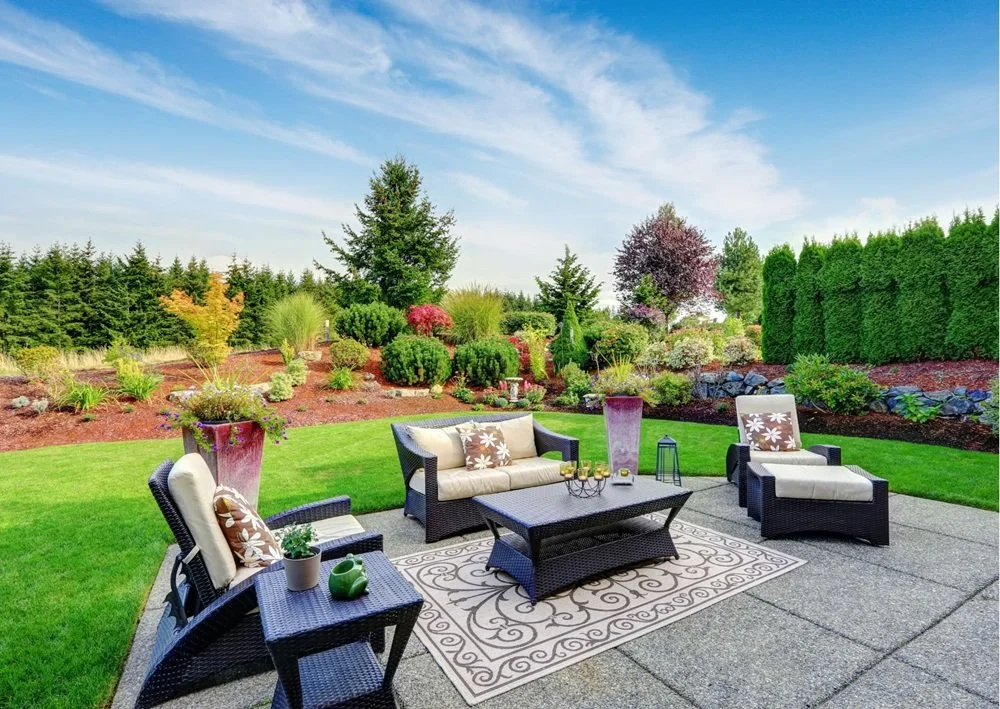
A thoughtfully designed patio can completely transform an ordinary outdoor area into a comfortable and inviting extension of your home. Whether you are exploring affordable patio design ideas, modern outdoor concepts, or luxury patio inspiration, the most successful designs begin with understanding how you want to use the space and what features best support your lifestyle.
The best patio projects balance functionality, durability, and personal style. A well-planned layout, carefully selected materials, comfortable outdoor furniture, thoughtful landscaping, and effective lighting can create an outdoor environment that is enjoyable throughout the year. Every element, from the paving surface to the smallest decorative details, contributes to the overall experience of the space.
From simple backyard patio design ideas to high-end outdoor living areas, homeowners have endless possibilities for creating patios that reflect their personality and complement their home’s architecture. A small patio can become a cozy retreat, while a larger outdoor area can be transformed into a complete entertainment space with dining, cooking, and relaxation zones.
With a clear patio design plan and thoughtful preparation, your outdoor space can become more than just an area outside your home. It can become a place where you gather with family, entertain guests, relax after a busy day, and create lasting memories for years to come.
Frequently Asked Questions: Patio Design Ideas
What are the best patio design ideas for a backyard?
The best backyard patio design ideas are those that match how you plan to use the outdoor space. A patio designed for entertaining may include a spacious dining area, comfortable seating, outdoor cooking features, and lighting for evening gatherings. A more relaxing backyard retreat may focus on cozy furniture, landscaping, privacy features, and peaceful areas for reading or enjoying nature.
A functional patio layout should create a balance between open space and designated areas for different activities. Adding greenery, comfortable furniture, and thoughtful design elements can help transform a backyard into an outdoor living space that feels connected to your home.
How can I design a patio on a budget?
Creating a beautiful patio does not always require a large investment. Affordable patio design ideas can focus on simple updates that make a noticeable difference, such as replacing outdated furniture, adding outdoor rugs, improving landscaping, and installing decorative lighting.
Homeowners can also use cost-effective materials, repurpose existing items, and incorporate DIY projects to refresh their outdoor space. Small changes, such as adding plants, cushions, string lights, or a new seating arrangement, can create a more inviting patio without requiring a complete renovation.
What are the most popular modern patio design ideas?
Modern patio design ideas often focus on clean lines, simple layouts, and a minimalist approach. Popular features include concrete finishes, porcelain tiles, neutral color palettes, geometric patterns, and contemporary outdoor furniture.
Many modern patios also incorporate functional features such as outdoor kitchens, fire features, and integrated lighting. These elements create a sleek and comfortable outdoor environment while maintaining a simple, organized appearance that complements contemporary homes.
How do I create a luxury patio design?
A luxury patio design focuses on creating an outdoor space that provides the same level of comfort and sophistication as an indoor living area. Premium features may include custom outdoor furniture, built-in fireplaces, outdoor kitchens, covered patios, designer lighting, and professionally designed landscaping.
High-end patio designs often include multiple functional areas, such as dining spaces, lounge areas, and entertainment zones. The goal is to create a complete outdoor experience where homeowners can relax, host guests, and enjoy the space throughout different seasons.
What patio materials last the longest?
The durability of a patio depends on the material selected, installation quality, climate conditions, and maintenance. Concrete is a popular option because it is strong, versatile, and available in many finishes. Natural stone provides a timeless appearance and can create a durable surface with unique textures.
Brick, porcelain tile, and pavers are also commonly used because they offer durability and design flexibility. The best material choice depends on your preferred style, maintenance expectations, and how the patio will be used.
How do I design a small patio space?
A small patio can still become a comfortable and stylish outdoor area with the right planning. Compact furniture, multifunctional pieces, vertical gardens, and built-in seating can help maximize limited space while keeping the area organized.
Using efficient layouts and choosing appropriately sized furniture can make a small patio feel larger. Adding greenery through wall planters, container gardens, and creative landscaping can also bring personality to smaller outdoor spaces without taking up too much room.
What are the latest patio design trends?
Current patio design trends focus on creating outdoor spaces that are comfortable, sustainable, and connected to the home. Many homeowners are designing outdoor rooms that combine dining, cooking, relaxation, and entertainment areas.
Other popular trends include sustainable materials, water-efficient landscaping, integrated lighting, natural textures, and seamless indoor-outdoor transitions. These design approaches help create patios that are both visually appealing and practical for everyday living.
Should my patio match my home's style?
A patio does not need to look identical to the interior of your home, but connecting the design styles can create a more intentional and cohesive appearance. Using similar colors, materials, textures, or architectural details can help the patio feel like a natural extension of the home.
For example, a modern home may pair well with clean lines and minimalist materials, while a traditional home may benefit from brick, stone, or classic landscaping elements. Matching the patio design with the home’s overall character creates better visual harmony.
How much does it cost to build a patio?
The cost of building a patio depends on several factors, including the size of the space, materials selected, design complexity, landscaping requirements, and whether professional installation is needed.
A simple patio using affordable materials may require a smaller investment, while a larger outdoor living area with features such as outdoor kitchens, fireplaces, custom furniture, and advanced landscaping will typically cost more. Planning your budget early can help prioritize the features that are most important for your lifestyle and long-term goals.